
Handmade Rug Cleaning
on the Upper West Side
Every handmade rug is unique. We assess each piece individually to honor the artisan's work.
Arrange a pickup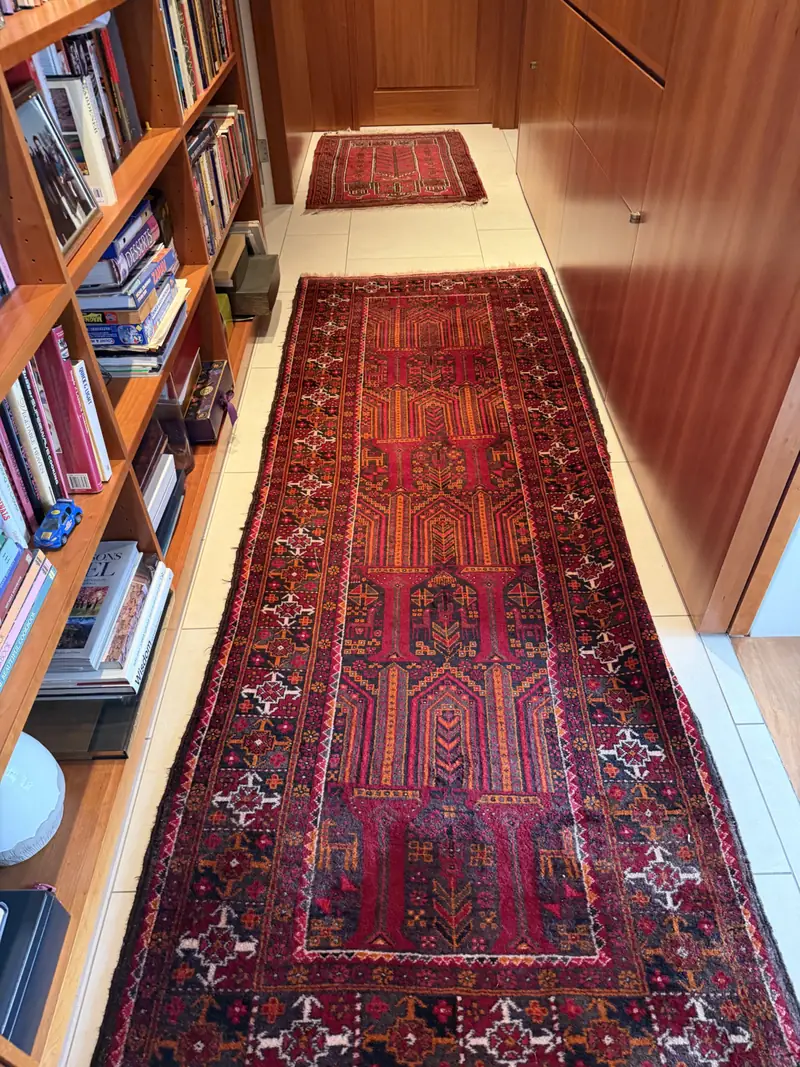 PHOTOGRAPHED BY OUR TEAM
Care begins with
understanding.
Handmade rugs, whether hand-knotted, hand-tufted, or flatwoven, represent a personal investment in craftsmanship. Each piece has unique characteristics that demand individualized attention. Our specialists examine the weave structure, fiber blend, and dye method of every handmade rug before designing a custom cleaning plan. This ensures the artisan's work is preserved while delivering a deep, revitalizing clean.
We discuss the condition, recommended treatment and expected outcome with you. The appropriate method is selected after inspection; not every treatment is suitable for every rug.
Handmade Rug Cleaning on the Upper West Side
A handmade rug announces itself on the back. Turn a corner over: on a hand knotted piece you see the pattern clearly, knot by knot, and the fringe runs out of the weave itself, while a tufted rug shows a cloth backing, often with glue residue, and a machine made rug shows a uniform grid that hides the front's pattern. Naming the construction matters because each takes water differently, and the cleaning plan is written per piece after a weave specific assessment rather than taken from a category. Hand knotted pile is washed with gentle agitation by hand; a tufted rug's glued backing limits how much water and motion it can take, since the adhesive that holds the backing softens with excess moisture; and flatweaves, kilims and dhurries among them, hold no pile to hide soil yet can shrink or ripple if soaked and dried carelessly, so they are laid flat to dry and checked for square. Fiber safe stain treatment is worked into the plan where the rug needs it, and a final hand inspection before the rug is wrapped confirms what was done and what stayed. On the logistics side, condominiums account for close to a quarter of Upper West Side homes, and such buildings usually route outside vendors through a management office or a resident manager who sets a window for moving things in and out, so call ahead of the pickup day, get that window and put it on the tag. A kilim rolls small and light, which makes it the easiest rug in a building to move; a tufted rug resists a tight roll because of its stiff backing, so give us its thickness as well as its width when you describe it. Across a smooth wood or parquet floor a flatweave slides and folds over on itself, and a thin pad beneath it holds it still and spreads the wear; if your flatweave has creased from sliding, those creases usually relax in a proper flat drying. If you are unsure which kind of rug you have, say so in the notes rather than guessing, and the assessment settles it before anything is planned.
- 58%of homes in elevator buildings
- 61%built before 1940
- 14floors in the median home's building
A careful
consideration.
- 01Weave-specific assessment
- 02Custom cleaning plan per piece
- 03Hand-washing with gentle agitation
- 04Fiber-safe stain treatment
- 05Low-heat controlled drying
- 06Final hand inspection
Time for a closer look?
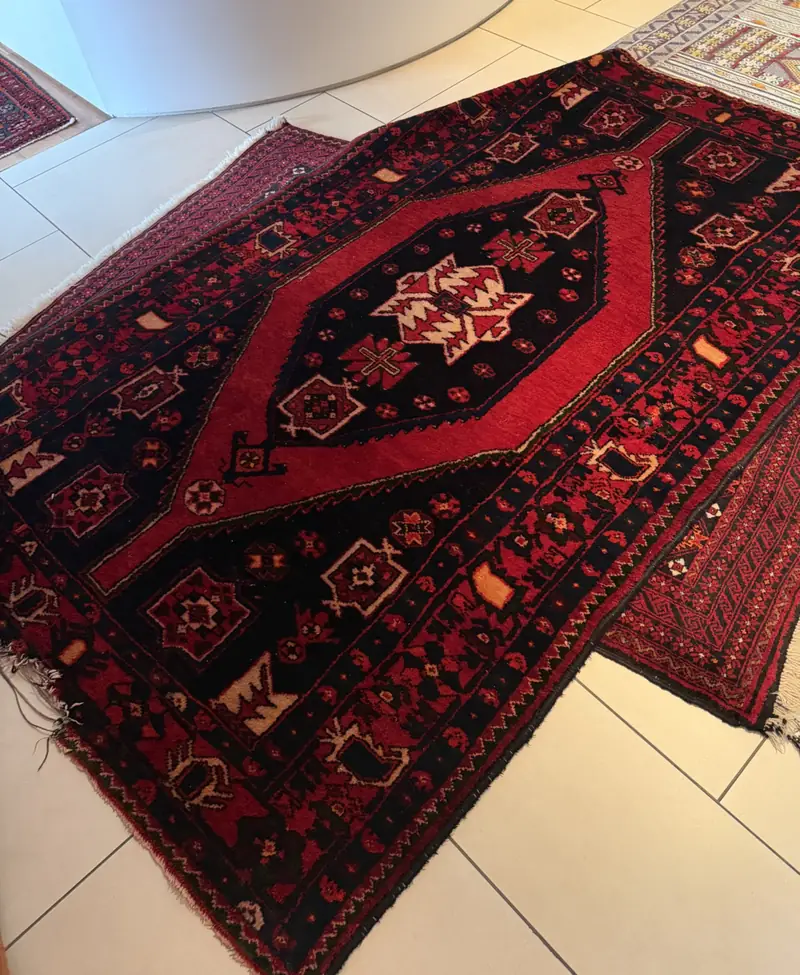
- Uneven soiling patterns
- Loose fibers or shedding
- Dye migration risk
- Surface stains
- Odor absorption
- General wear patterns
Let's care for
something remarkable.
A favorite piece. A family heirloom.
A room that feels like you again.