
Oriental Rug Cleaning
on the Upper West Side
Specialized hand-cleaning for Persian, Turkish, Moroccan, Afghan, and all handwoven oriental rugs.
Arrange a pickup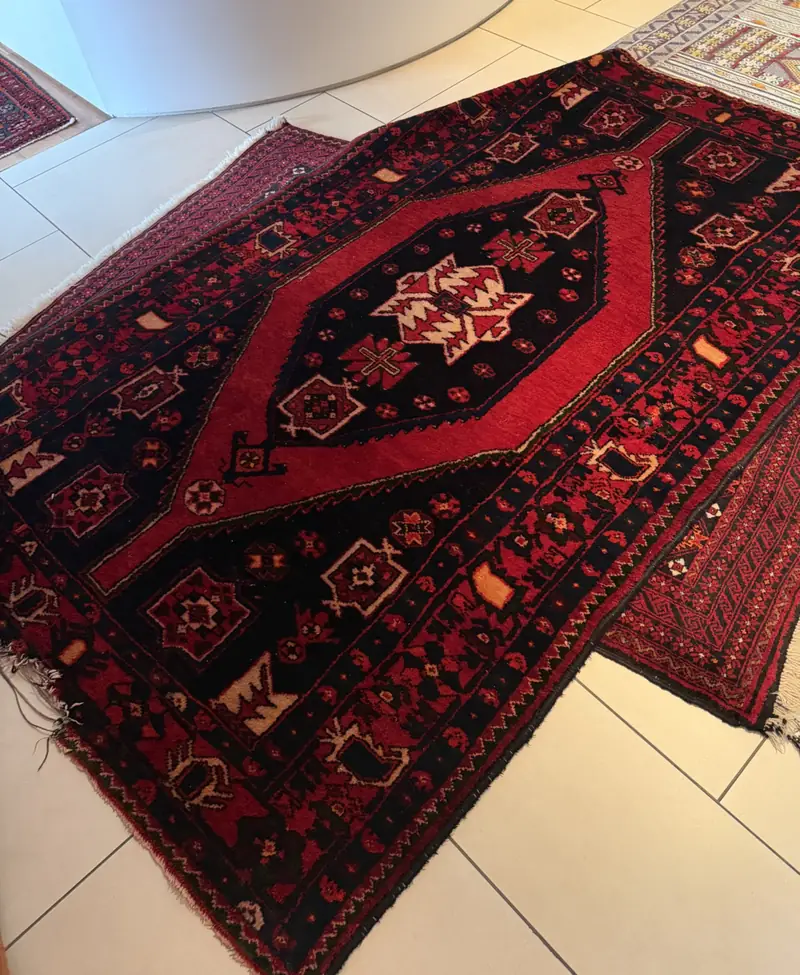 PHOTOGRAPHED BY OUR TEAM
Care begins with
understanding.
Oriental rugs represent centuries of artisan tradition. Our specialists understand the unique construction, dye chemistry, and fiber composition of each origin, from Tabriz and Isfahan to Oushak and Beni Ourain. Every oriental rug we receive is assessed individually and cleaned using methods calibrated to its specific weave, age, and condition. We remove embedded soil, restore vibrancy, and preserve the integrity that makes each piece irreplaceable.
We discuss the condition, recommended treatment and expected outcome with you. The appropriate method is selected after inspection; not every treatment is suitable for every rug.
Oriental Rug Cleaning on the Upper West Side
A dining table or a bed that stands in one place for years presses its weight into the pile, and the pile under a chair foot crushes before the field around it does. Shift the furniture a few inches when you clean the room, and note on the pickup tag anything heavy that sits on the rug, since furniture comes off before the roll is made and moving it can be arranged for the visit. A quarter of Upper West Side homes are co-ops, and a co-op board often sets the hours when vendors may work, so put those hours in the Building access field when you book and the visit will fall inside them. The assessment that precedes every wash covers the fiber, the dyes, the foundation and any earlier repair, and you hear what the wash can change before anything is wetted. An oriental rug is dyed wool tied by hand over cotton or silk warps, and the dyes that give the field its depth can be sensitive to water and to alkali, which is why a color stabilization test comes first and the solution is mixed to suit that rug rather than taken off a shelf. The wash itself is a full immersion in a pH balanced solution, worked by hand so the soil held between the knots is carried out, then rinsed in stages until the water runs clear; a rug rinsed less holds detergent in its foundation, and detergent that stays behind draws in fresh soil and takes the clarity out of the colors within months. Drying is controlled and low temperature, because heat can draw the moisture out of the surface while the foundation stays wet, and the difference shows later as a smell. Once the rug has dried, its pile is combed along the direction the knots were tied and the fringe is detailed by hand; on a hand knotted oriental that fringe is the warp continuing past the last row, so it is cleaned where it stands rather than trimmed. What comes back is a rug with the grit of years lifted out of the knots, colors that read clear again, and a pile that lies the way it lay when the rug was made; the wear of actual use stays, and we point out where it does.
- 58%of homes in elevator buildings
- 61%built before 1940
- 14floors in the median home's building
A careful
consideration.
- 01Full immersion hand-washing
- 02pH-balanced fiber-specific solutions
- 03Color stabilization testing
- 04Controlled low-temperature drying
- 05Hand-groomed pile finishing
- 06Fringe detailing
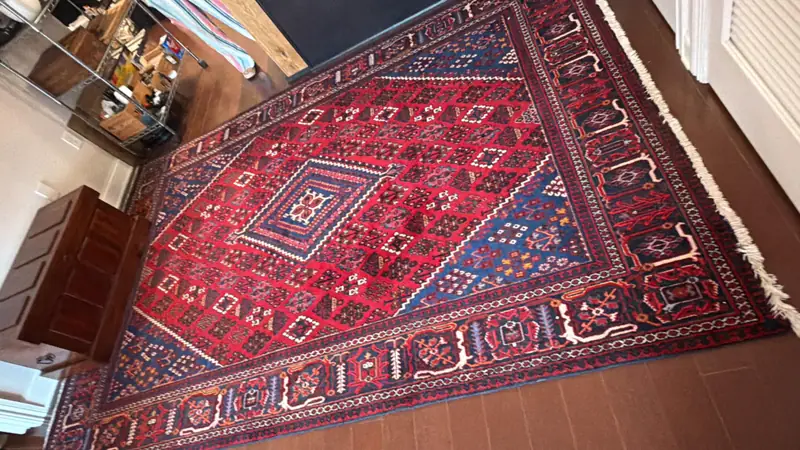
Time for a closer look?
- Fading or dull colors
- Embedded dirt and grit
- Musty or stale odor
- Pet stains and discoloration
- Fringe yellowing
- Moth or insect damage residue
Let's care for
something remarkable.
A favorite piece. A family heirloom.
A room that feels like you again.