
Handmade Rug Cleaning
in Murray Hill
Every handmade rug is unique. We assess each piece individually to honor the artisan's work.
Arrange a pickup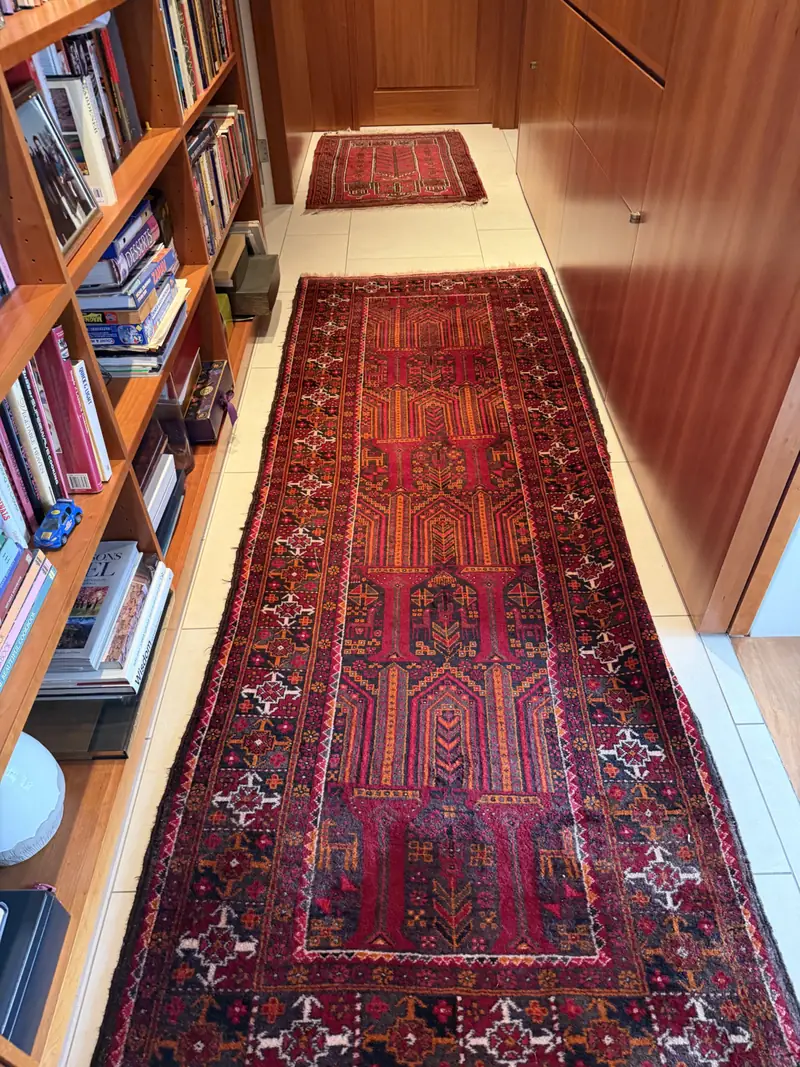 PHOTOGRAPHED BY OUR TEAM
Care begins with
understanding.
Handmade rugs, whether hand-knotted, hand-tufted, or flatwoven, represent a personal investment in craftsmanship. Each piece has unique characteristics that demand individualized attention. Our specialists examine the weave structure, fiber blend, and dye method of every handmade rug before designing a custom cleaning plan. This ensures the artisan's work is preserved while delivering a deep, revitalizing clean.
We discuss the condition, recommended treatment and expected outcome with you. The appropriate method is selected after inspection; not every treatment is suitable for every rug.
Handmade Rug Cleaning in Murray Hill
A flatweave rolls thin and light, a knotted pile rug thick and heavy, and from the 21 floor building that holds the typical Murray Hill home either one goes down by service elevator. Name the kind on your pickup tag, or read out what the label on its underside says; the assessment confirms it before any cleaning starts. Flatweaves such as kilims and dhurries shrink or ripple if dried carelessly, and hand-tufted rugs have a glued backing that should not stay wet. If a tufted rug has been soaked, lay it flat to dry and book soon, because its backing weakens the longer it stays damp. The three constructions separate clearly at the back: a knotted rug displays its knot tails in rows, a tufted rug hides its glue under a cloth sheet, and a flatweave presents weft crossing warp, nothing behind. Each calls for its own wash. A knotted piece can be immersed in full, with the bath chosen for its fiber and dyes. A tufted piece takes a controlled, low-moisture wash, since a glued backing that is handled soaked can separate from the pile, and it dries lying flat so the backing never carries its own weight wet. A flatweave is washed and dried flat as well, because hanging a wet kilim lets it stretch so the sides drift off square. A deep undyed pile, the shaggy Moroccan kind among others, holds soil out of sight and sheds loose fiber heavily at first; a wash releases that loose wool in bulk, and after it the shedding settles to the slow background loss any wool rug has. Pale wool can yellow where spills are left to sit, so treat spots early rather than late. Every handmade piece gets a plan of its own, built on the weave, the fiber blend and how the dyes were applied, and the final inspection runs over the pile and edges by hand before the wrapping goes on for the trip home.
- 68%of homes in elevator buildings
- 29%built before 1940
- 21floors in the median home's building
A careful
consideration.
- 01Weave-specific assessment
- 02Custom cleaning plan per piece
- 03Hand-washing with gentle agitation
- 04Fiber-safe stain treatment
- 05Low-heat controlled drying
- 06Final hand inspection
Time for a closer look?
- Uneven soiling patterns
- Loose fibers or shedding
- Dye migration risk
- Surface stains
- Odor absorption
- General wear patterns
Let's care for
something remarkable.
A favorite piece. A family heirloom.
A room that feels like you again.