
Handmade Rug Cleaning
on the Upper East Side
Every handmade rug is unique. We assess each piece individually to honor the artisan's work.
Arrange a pickup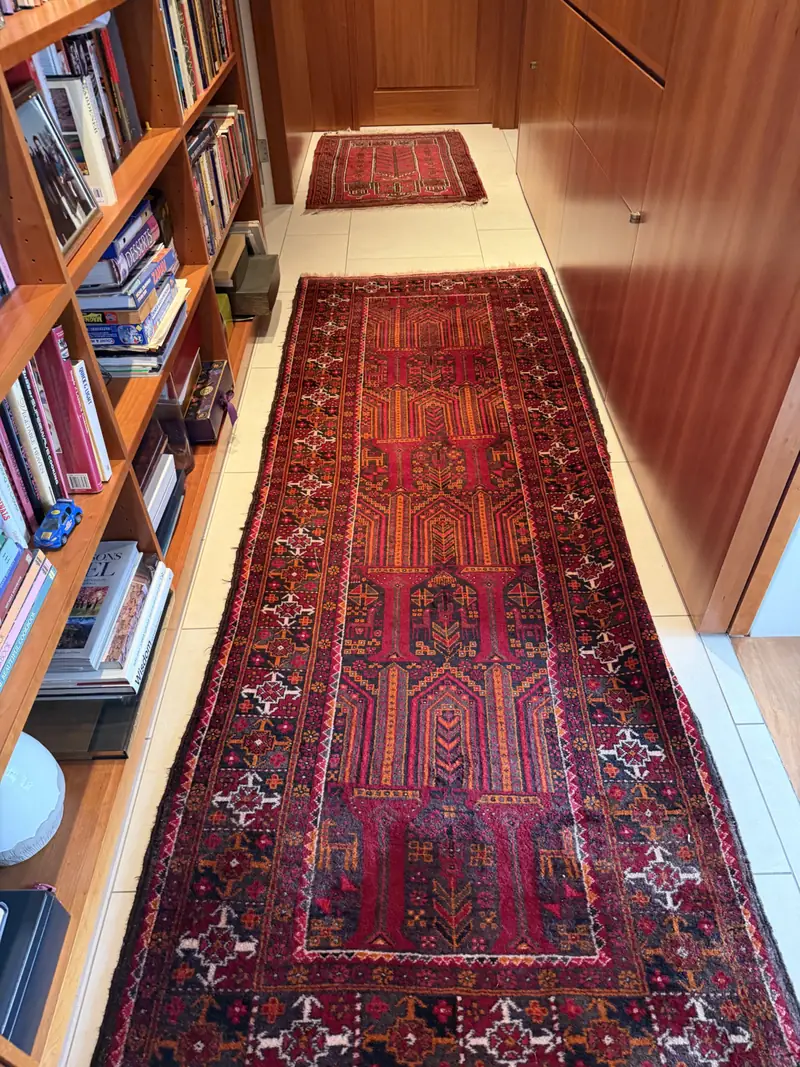 PHOTOGRAPHED BY OUR TEAM
Care begins with
understanding.
Handmade rugs, whether hand-knotted, hand-tufted, or flatwoven, represent a personal investment in craftsmanship. Each piece has unique characteristics that demand individualized attention. Our specialists examine the weave structure, fiber blend, and dye method of every handmade rug before designing a custom cleaning plan. This ensures the artisan's work is preserved while delivering a deep, revitalizing clean.
We discuss the condition, recommended treatment and expected outcome with you. The appropriate method is selected after inspection; not every treatment is suitable for every rug.
Handmade Rug Cleaning on the Upper East Side
A fifth of the homes here are in walk-ups, so this neighborhood still has rugs that come down a stairwell by hand, and the work on the piece turns on what it is made of, which the back tells better than the front. The back of a hand-knotted rug shows the knots themselves in the pattern's colors, and the fringe grows out of the yarn that carries it, so they belong together, and the ends are looked at as part of the structure. A hand-tufted rug hides a cloth with glue behind the pile, since its pile is punched through a scrim instead of tied, and that glue is where water does its harm: soaked, it softens, so a tufted piece takes a low-moisture cleaning and dries flat, and it is never hung while damp. Walk-up carrying has its own rule: the rug is rolled pile inward and banded at both ends, so nothing scuffs a painted wall or a banister on the way down, and the bands come off only once the piece is laid flat. A flatweave carries no pile; weft crosses warp and the same pattern shows on both faces, and it can shrink or pull out of square if soaked and dried carelessly, so it too is washed flat and squared as it dries. The first hour of work is the construction check, and it comes before any plan is written: how the piece is made, how stable its colors are, and what holds it together. When the maker is a guess, say so on the tag under Your piece, and the first look settles the question. Say as well whether a rented machine or a garden hose ever touched it at home, because a homemade wash leaves detergent sitting in the foundation, and detergent keeps drawing soil until it is rinsed out. Stain treatment safe for the fibers, drying at low heat and an inspection by hand close the job, and the piece is wrapped only once the last look agrees with the plan.
- 60%of homes in elevator buildings
- 40%built before 1940
- 16floors in the median home's building
A careful
consideration.
- 01Weave-specific assessment
- 02Custom cleaning plan per piece
- 03Hand-washing with gentle agitation
- 04Fiber-safe stain treatment
- 05Low-heat controlled drying
- 06Final hand inspection
Time for a closer look?
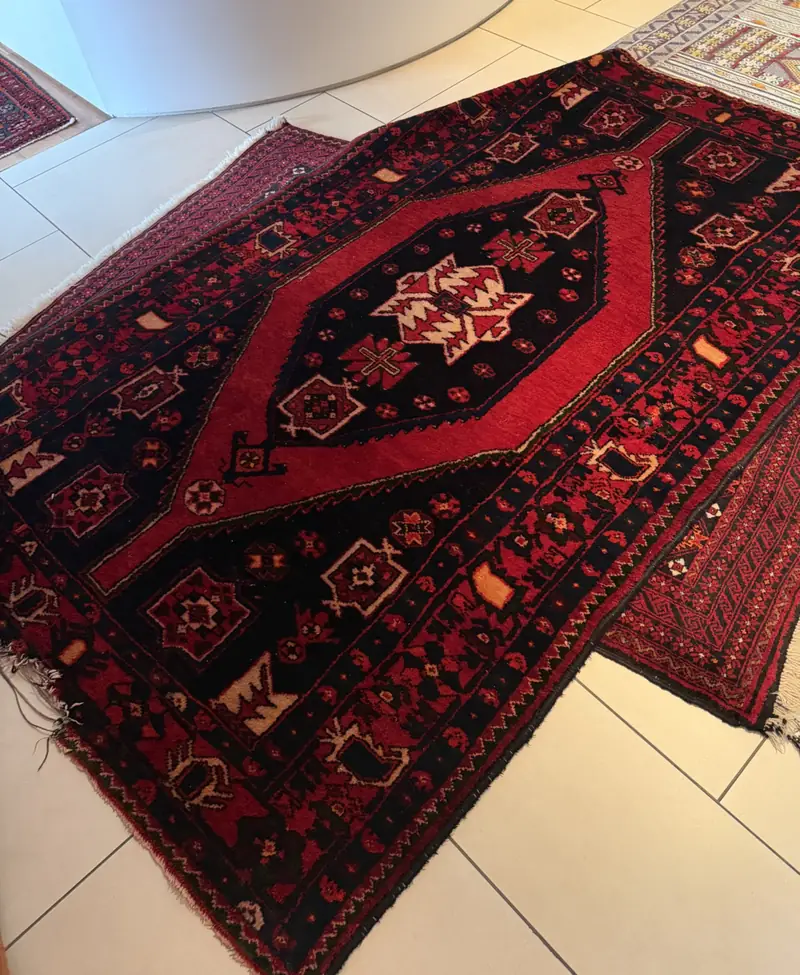
- Uneven soiling patterns
- Loose fibers or shedding
- Dye migration risk
- Surface stains
- Odor absorption
- General wear patterns
Let's care for
something remarkable.
A favorite piece. A family heirloom.
A room that feels like you again.