
Handmade Rug Cleaning
in Harlem
Every handmade rug is unique. We assess each piece individually to honor the artisan's work.
Arrange a pickup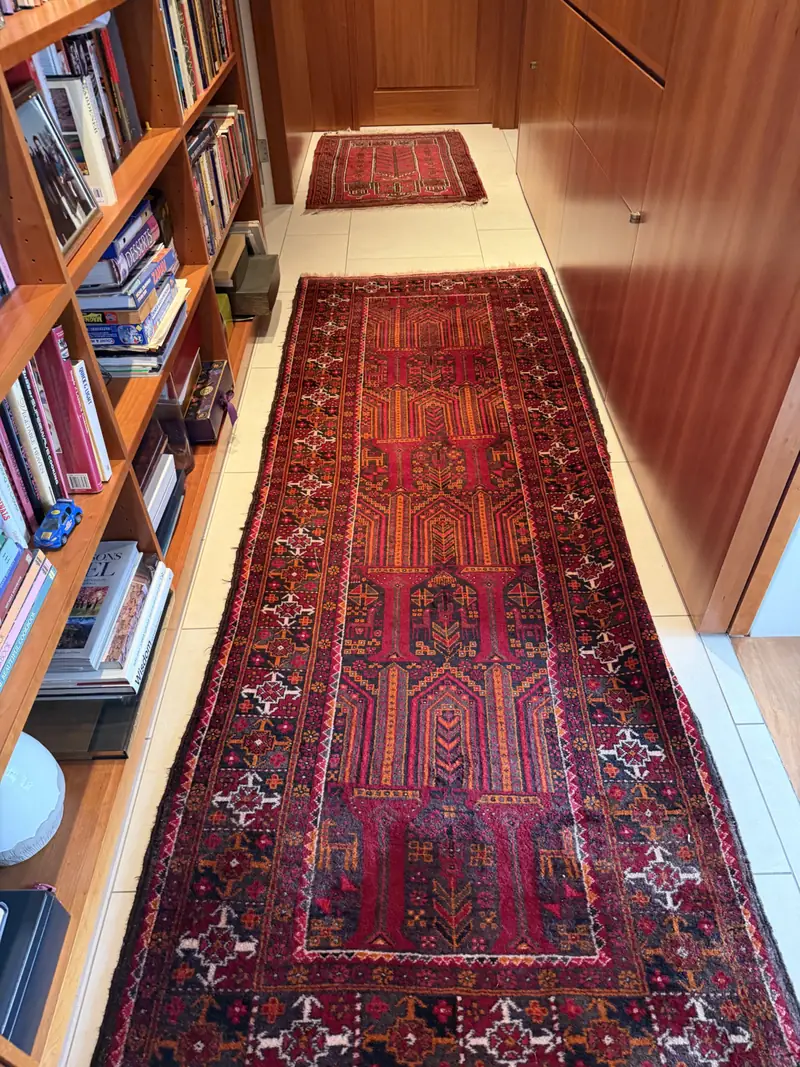 PHOTOGRAPHED BY OUR TEAM
Care begins with
understanding.
Handmade rugs, whether hand-knotted, hand-tufted, or flatwoven, represent a personal investment in craftsmanship. Each piece has unique characteristics that demand individualized attention. Our specialists examine the weave structure, fiber blend, and dye method of every handmade rug before designing a custom cleaning plan. This ensures the artisan's work is preserved while delivering a deep, revitalizing clean.
We discuss the condition, recommended treatment and expected outcome with you. The appropriate method is selected after inspection; not every treatment is suitable for every rug.
Handmade Rug Cleaning in Harlem
Every handmade rug is assessed before anything is planned: the weave is read from the back, the fiber and the dye method are identified, and the cleaning plan follows from what the piece is rather than from its size or its pattern. A knotted rug, its pile made of knots tied onto the warp, can take a full immersion wash. The tufted kind is pile through a cloth fixed with adhesive, so it needs a wash kept deliberately damp-light and a quick, flat dry, because adhesive that soaks can release. A flatweave such as a kilim or dhurrie has no pile at all, and it is washed and dried lying flat, since hanging a damp flatweave lets it stretch and drift out of square, and a soak followed by a hasty dry can shrink it. Flatweaves are usually woven to be used on either face, and turning one over every few months spreads the wear and the light between the two faces. A flatweave also rolls tight and light, which helps on the stairs of the walk-ups and small houses that hold 41 percent of Harlem homes, where a heavy knotted rug can be a struggle on a narrow turn; name the kind on the pickup tag, or pick the option saying you are unsure, and the assessment settles it before any cleaning starts. Before pickup, look at whether the rug has rippled or lost its shape already and tell us, so we both know what was there before the wash and can compare after. Some handmade pieces were never perfectly square, and a wash can bring that out more clearly; we point it out first, and if you want a record, measure the ends and the sides before the rug leaves and keep the figures. What comes back is a rug dried as its construction allows, the pile hand-set wherever pile exists, and any looseness at the edges noted and priced with you before it is reworked. A soumak or a similar wrapped weave looks flat but is built differently from a plain kilim, and the assessment sorts that out before water is chosen.
- 46%of homes in elevator buildings
- 68%built before 1940
- 6floors in the median home's building
A careful
consideration.
- 01Weave-specific assessment
- 02Custom cleaning plan per piece
- 03Hand-washing with gentle agitation
- 04Fiber-safe stain treatment
- 05Low-heat controlled drying
- 06Final hand inspection
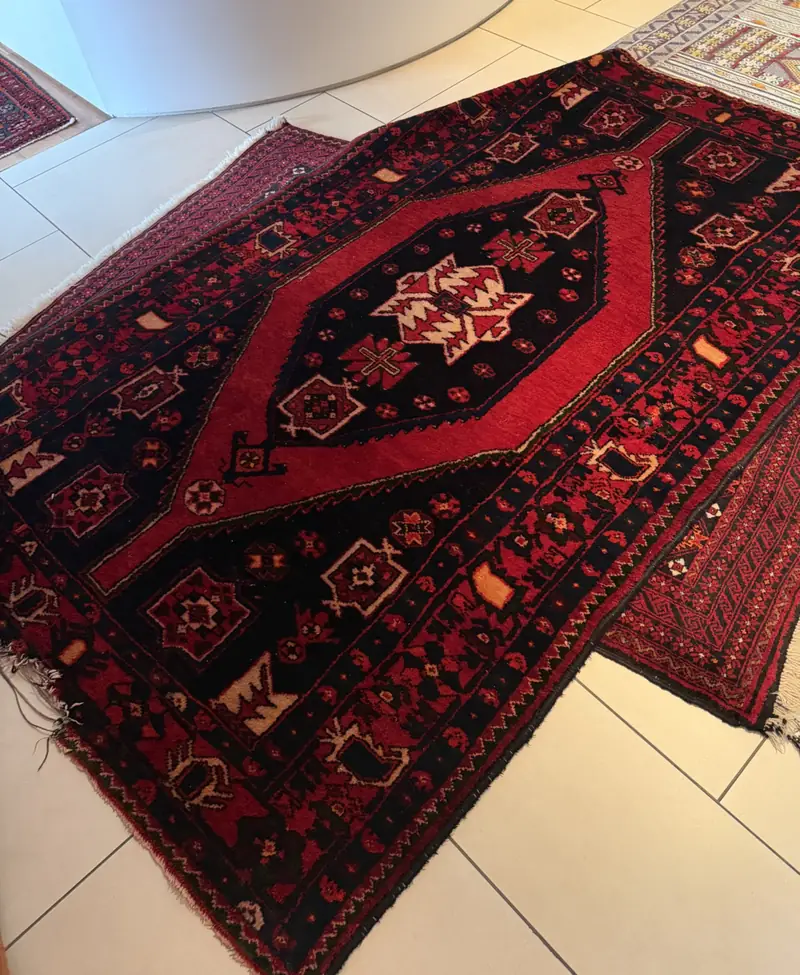
Time for a closer look?
- Uneven soiling patterns
- Loose fibers or shedding
- Dye migration risk
- Surface stains
- Odor absorption
- General wear patterns
Let's care for
something remarkable.
A favorite piece. A family heirloom.
A room that feels like you again.