
Antique Rug Cleaning
in Harlem
Gentle, low-agitation cleaning for vintage and antique rugs, with preservation first.
Arrange a pickup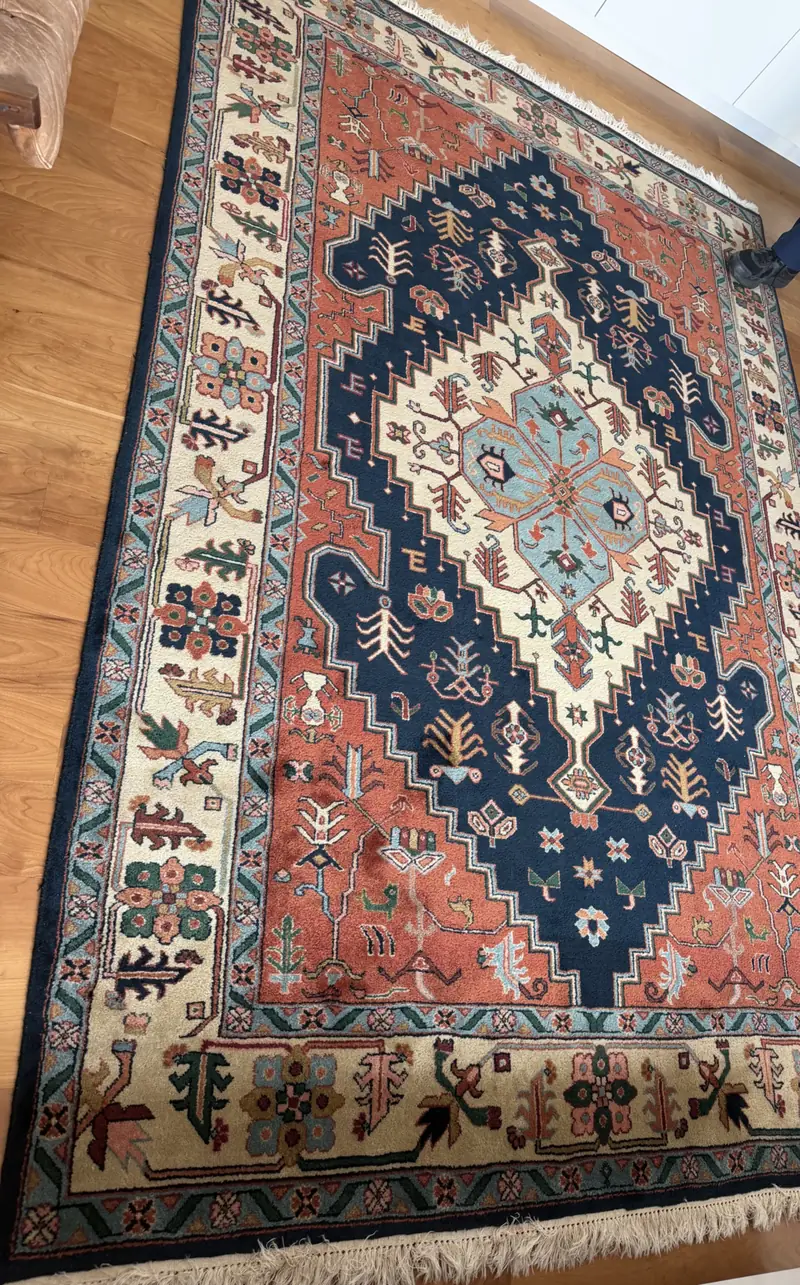 PHOTOGRAPHED BY OUR TEAM
Care begins with
understanding.
Antique rugs require an extraordinarily careful approach. Age, natural dyes, and delicate fibers demand cleaning techniques that prioritize preservation above all else. Our specialists evaluate each antique piece for colorfastness, structural integrity, and fiber fragility before selecting a cleaning protocol. We use gentle, low-agitation methods that remove decades of accumulated soil while honoring the character and patina that make your rug a treasure.
We discuss the condition, recommended treatment and expected outcome with you. The appropriate method is selected after inspection; not every treatment is suitable for every rug.
Antique Rug Cleaning in Harlem
Age decides the method for an antique rug. The dyes are tested for colorfastness before any water touches the piece, the cleaning itself is done by hand, with barely any agitation, in a neutral solution, and the drying is flat and controlled, with the pile realigned gently rather than brushed. The rug is supported from the moment it is lifted and it is never folded, because a foundation that has dried over decades can crack where a fold would stress it. Harlem's median year built is 1920, so an antique here frequently shares its age with the apartment it lies in, and that age shows in certain spots. The pile is shortest where the rug was used longest. Ends that were trimmed back years ago leave the end knots close to the edge. A fold line from a move long ago may hold a bend in the warp that the bath softens without ever making it lie perfectly flat again, and that belongs to the piece's history rather than to the cleaning. Press any area that feels stiff under a corner, or listen for a faint crackle when the edge is raised, and mention what you find at booking; stiffness can mean a weakened foundation, and that area then gets extra support as the rug is rolled and taken out of the building. Nearly two in five homes here are walk-ups or houses, and the way to the street often runs through a narrow stair, so the tightest turn is worth describing when you book. Earlier repairs are recorded before work begins, since a patch rewoven later or a fringe sewn on afterward sits differently from the work around it and the bath should not disturb it. A few marks of age are better left exactly where they are, and we name those first, so the character of the piece survives the cleaning intact. What you get back is decades of settled dust lifted out of the pile, colors exactly as the years left them, and a clear statement of what changed and what was deliberately left alone.
- 46%of homes in elevator buildings
- 68%built before 1940
- 6floors in the median home's building
A careful
consideration.
- 01Colorfastness testing
- 02Low-agitation hand-cleaning
- 03Natural pH-neutral solutions
- 04Controlled flat drying
- 05Gentle pile realignment
- 06Careful, supported handling
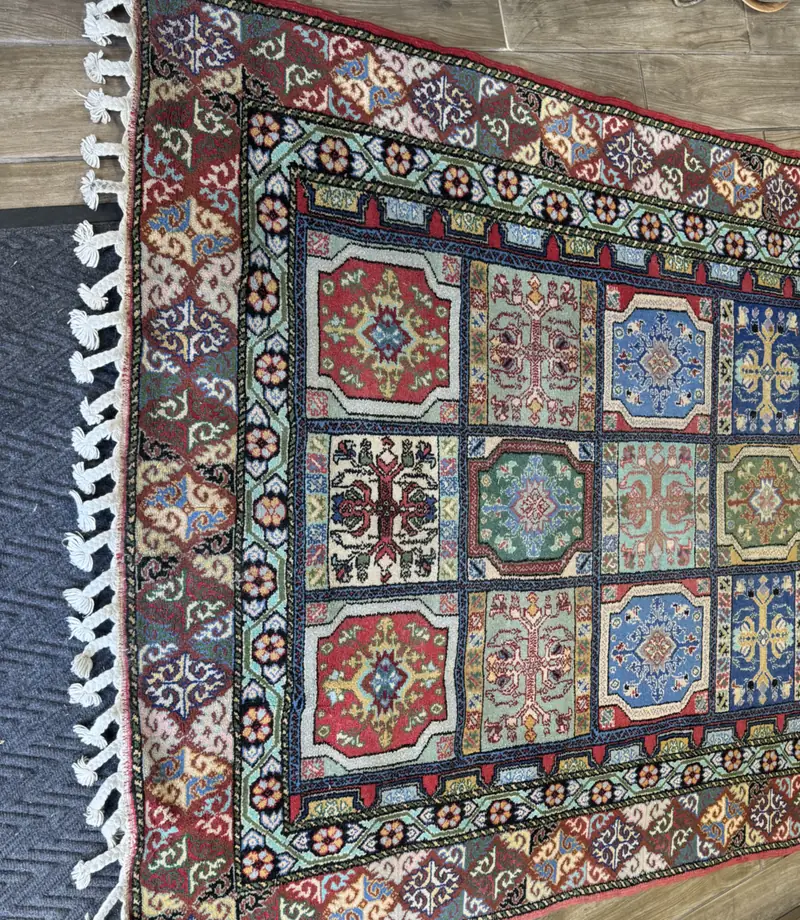
Time for a closer look?
- Decades of embedded dust
- Fragile or brittle fibers
- Color bleeding risk
- Moth or insect residue
- Musty storage odor
- Surface grime obscuring pattern
Let's care for
something remarkable.
A favorite piece. A family heirloom.
A room that feels like you again.