
Handmade Rug Cleaning
in SoHo
Every handmade rug is unique. We assess each piece individually to honor the artisan's work.
Arrange a pickup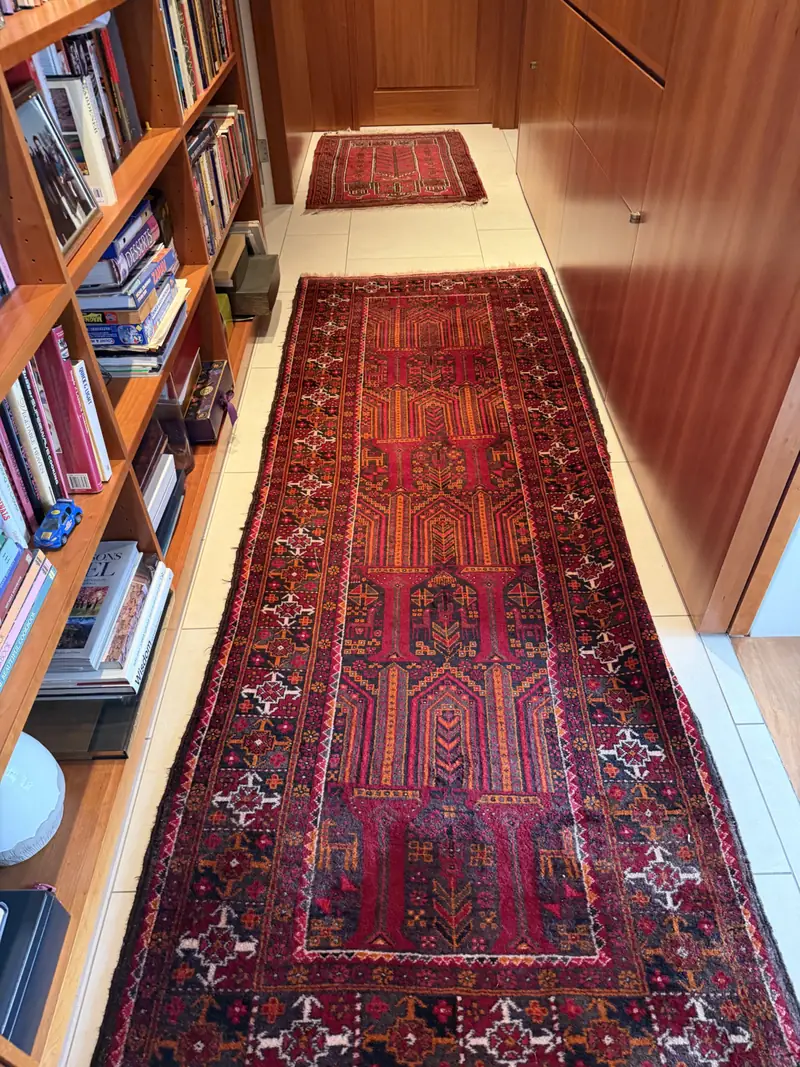 PHOTOGRAPHED BY OUR TEAM
Care begins with
understanding.
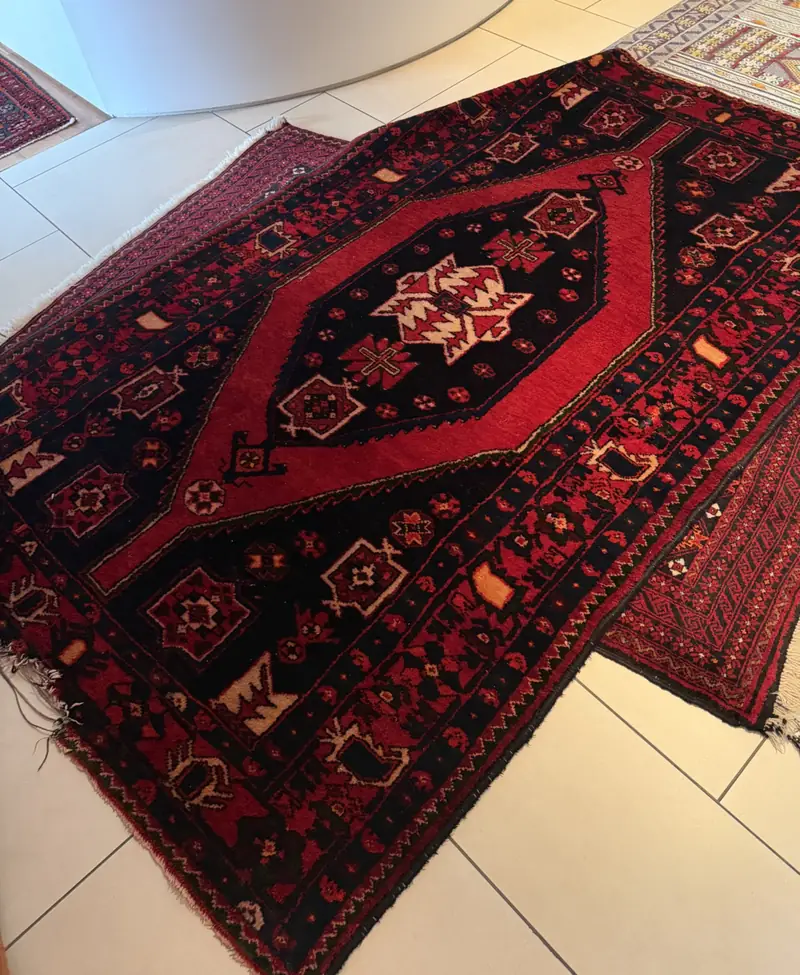
Handmade rugs, whether hand-knotted, hand-tufted, or flatwoven, represent a personal investment in craftsmanship. Each piece has unique characteristics that demand individualized attention. Our specialists examine the weave structure, fiber blend, and dye method of every handmade rug before designing a custom cleaning plan. This ensures the artisan's work is preserved while delivering a deep, revitalizing clean.
We discuss the condition, recommended treatment and expected outcome with you. The appropriate method is selected after inspection; not every treatment is suitable for every rug.
Handmade Rug Cleaning in SoHo
A handmade rug is judged by how it was built, and the judgment happens before any water is involved, because a knotted rug, a tufted rug and a flatweave react to moisture in three different ways. Turn the rug over: on a hand-knotted piece the back shows the knots themselves, in the colors of the pattern, and the fringe continues out of the same yarn that runs the rug's full length; on a hand-tufted piece the back is a cloth with glue behind it, because tufted pile is pushed through a scrim and anchored rather than knotted; on a flatweave there is no pile at all, only weft crossing warp, and the pattern reads the same on both sides. That is the weave-specific assessment, and it settles how the piece is washed. A knotted rug takes a hand-wash with gentle agitation, worked in a solution chosen around its fiber and its dyes. A tufted rug is cleaned with little moisture and dried flat, because its glued backing weakens when it is soaked and can pull away from the pile if it is handled wet. A kilim or a dhurrie is washed and dried flat, since a flatweave hung wet can stretch and go out of square, and it can shrink if it dries carelessly. Seventy-nine percent of the homes here predate 1940, and an old floor is rarely level, so a flatweave laid directly on its high spots wears along them; a thin pad underneath spreads the wear and keeps the rug from creeping across the room, and it is worth mentioning whether the rug lies on a pad now. Hand dyed wool can also bleed where a spill has wet it, so a rug that has ever run color or shrunk after a wash at home should be described that way on the tag, with the year it happened if you know it. Stain treatment is matched to the fiber, drying runs at low heat, and a final hand inspection goes over the whole piece before it is wrapped, because the point of a custom plan is that nothing about the rug is assumed.
- 48%of homes in walk-ups
- 79%built before 1940
- 6floors in the median home's building
A careful
consideration.
- 01Weave-specific assessment
- 02Custom cleaning plan per piece
- 03Hand-washing with gentle agitation
- 04Fiber-safe stain treatment
- 05Low-heat controlled drying
- 06Final hand inspection
Time for a closer look?
- Uneven soiling patterns
- Loose fibers or shedding
- Dye migration risk
- Surface stains
- Odor absorption
- General wear patterns
Let's care for
something remarkable.
A favorite piece. A family heirloom.
A room that feels like you again.