
Antique Rug Cleaning
in Rye
Gentle, low-agitation cleaning for vintage and antique rugs, with preservation first.
Arrange a pickup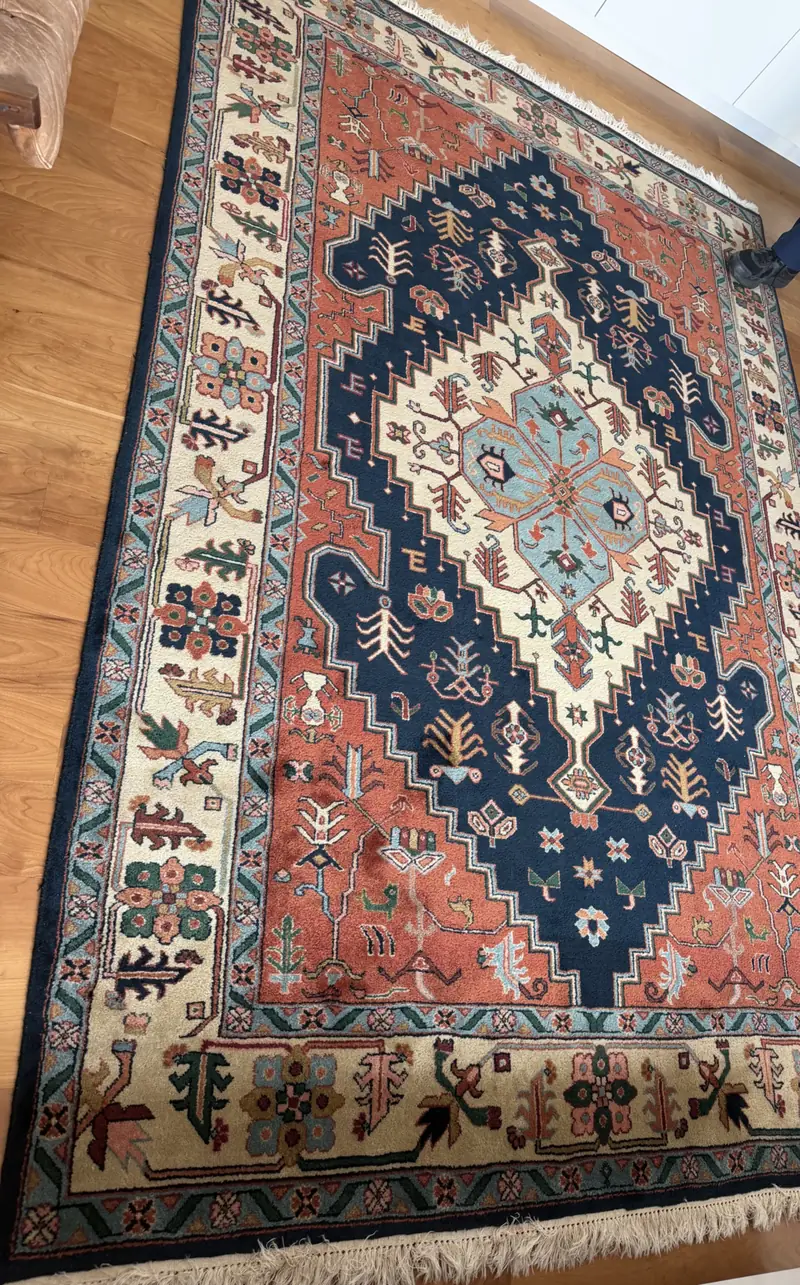 PHOTOGRAPHED BY OUR TEAM
Care begins with
understanding.
Antique rugs require an extraordinarily careful approach. Age, natural dyes, and delicate fibers demand cleaning techniques that prioritize preservation above all else. Our specialists evaluate each antique piece for colorfastness, structural integrity, and fiber fragility before selecting a cleaning protocol. We use gentle, low-agitation methods that remove decades of accumulated soil while honoring the character and patina that make your rug a treasure.
We discuss the condition, recommended treatment and expected outcome with you. The appropriate method is selected after inspection; not every treatment is suitable for every rug.
Antique Rug Cleaning in Rye
Buildings finished before 1940 hold 30 percent of Rye's homes, and an antique rug in an old house near the water faces two hazards in turn: damp air in summer and dry radiator heat in winter. Swinging between them, a cotton foundation weakens and the wool loses its spring. Keep the rug out of a radiator's path and off a floor that runs damp, and look along the back for brittle lines before pickup, noting them on the tag. An antique is washed only as hard as its foundation can take: before water enters the picture, every color in the piece sits for a colorfastness test, since dyes that have aged a century can still shift in water, and the cleaning itself is hand work kept to the least useful agitation, with no machine pass at all, using natural pH-neutral solutions rather than strong detergents. The rug is carried with support underneath rather than lifted by one end, since a foundation that has stiffened with age will tear where a fresh one would only bend, and it dries flat under controlled conditions, so a soaked piece never hangs by its own warps under the weight of the water. The pile is realigned gently at the end, never brushed hard against fibers that have grown brittle. What the wash changes is the soil of decades and the dullness over the field, and what it does not change is the wear: a thin place stays thin, an old repair stays a repair, and you hear which is which before any water is run, with the cost of further weaving laid out separately. Fold lines from years in a chest or on a closet shelf deserve a hand passed along the back before pickup, since a crease that has held for decades can crack along its length in the wash, and we would rather see it while the rug is still in your room. If the rug came down through the family from a first owner, say so, because the repairs such a piece carries are part of its history, and each is written into the assessment so the wash leaves it undisturbed.
- 68%single family houses
- 30%built before 1940
- 70%owner occupied
A careful
consideration.
- 01Colorfastness testing
- 02Low-agitation hand-cleaning
- 03Natural pH-neutral solutions
- 04Controlled flat drying
- 05Gentle pile realignment
- 06Careful, supported handling
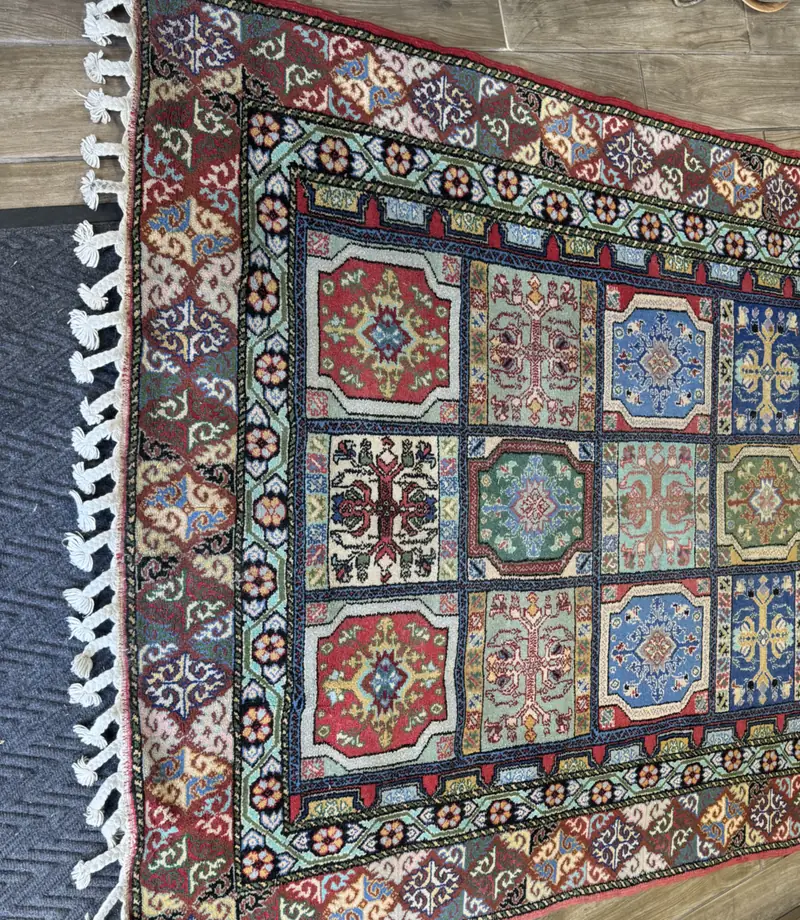
Time for a closer look?
- Decades of embedded dust
- Fragile or brittle fibers
- Color bleeding risk
- Moth or insect residue
- Musty storage odor
- Surface grime obscuring pattern
Let's care for
something remarkable.
A favorite piece. A family heirloom.
A room that feels like you again.