
Antique Rug Cleaning
in White Plains
Gentle, low-agitation cleaning for vintage and antique rugs, with preservation first.
Arrange a pickup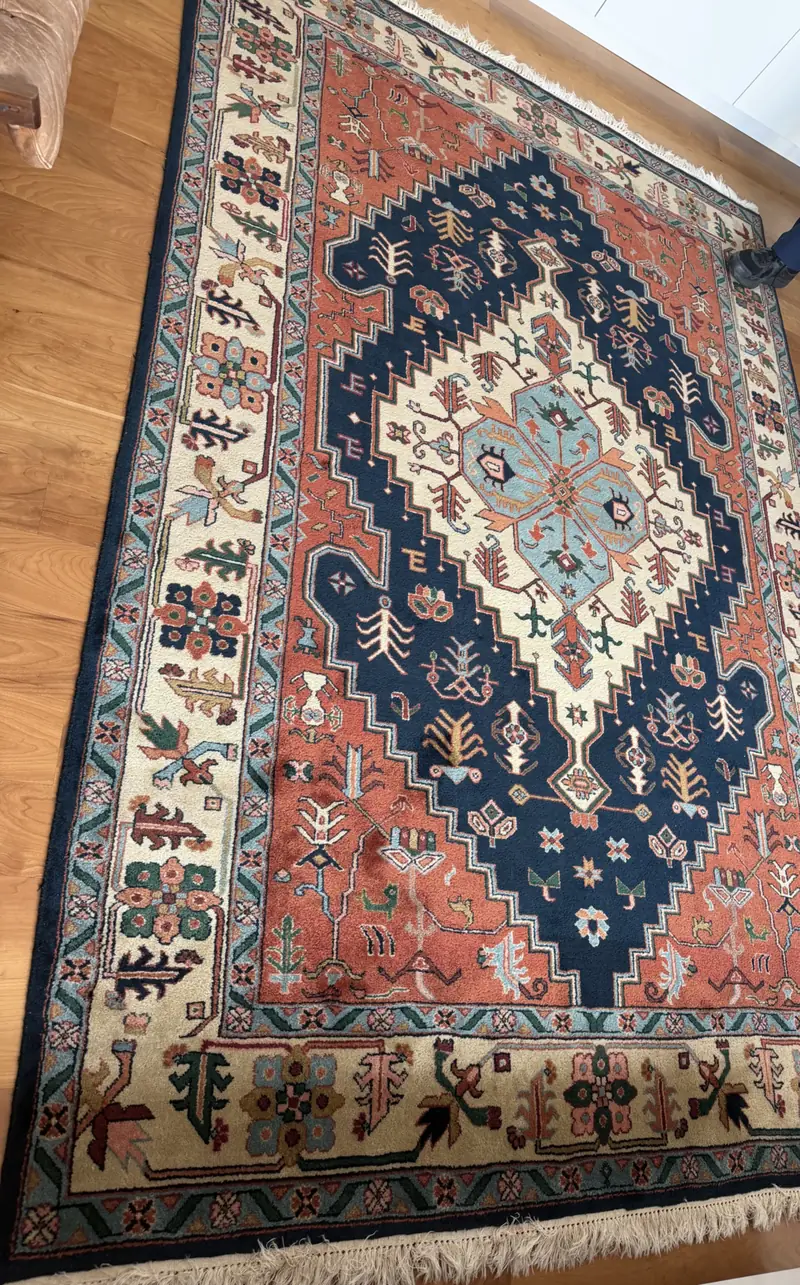 PHOTOGRAPHED BY OUR TEAM
Care begins with
understanding.
Antique rugs require an extraordinarily careful approach. Age, natural dyes, and delicate fibers demand cleaning techniques that prioritize preservation above all else. Our specialists evaluate each antique piece for colorfastness, structural integrity, and fiber fragility before selecting a cleaning protocol. We use gentle, low-agitation methods that remove decades of accumulated soil while honoring the character and patina that make your rug a treasure.
We discuss the condition, recommended treatment and expected outcome with you. The appropriate method is selected after inspection; not every treatment is suitable for every rug.
Antique Rug Cleaning in White Plains
Three in ten White Plains homes stand in buildings finished before 1940, and an antique rug in one of those apartments or houses may have outlasted several tenancies. Old rugs carry the record of how they were once installed: tack holes punched along the edges, rust stains bleeding from nail heads, brown patches of adhesive where tape once held a pad down. Rust and old glue each need their own treatment before any wash, and some of those marks lighten without ever leaving entirely, which you hear from us before work starts rather than after. Walk the edges and turn a corner before pickup: press gently along the sides and feel for hard spots or crispness, and write down anything you find, along with any repair an earlier owner mentioned. The wash then follows what the foundation can bear. Colorfastness is tested first, dye by dye, and cleaning is done by hand with the gentlest touch the soil permits, in solutions held neutral so old wool keeps what lanolin remains in it. Soil that sits in an old rug differs too: it has had decades to pack between the knots, so it comes out across several short passes rather than one long bath, each pass followed by a rinse before the next begins. A foundation that has dried out gives less than it did, and the knots grip less tightly, so the piece travels barely at all while wet and is dried lying flat, never hung, because hanging puts the whole weight on warps that may no longer hold it. Once dry, the pile is realigned gently by hand. What the wash changes: grayed surface soil lifts out and the original colors read plainly again, and on a rug that has gone unwashed for decades that difference can be striking. What it leaves: worn areas stay worn, old dyes stay at whatever depth the years left them, and earlier repairs stay as they were, each recorded in the assessment so the wash does not undo them. If the rug spent years folded in storage or hanging on a wall, say so, because creases and light patterns each call for their own note before the bath.
- 31%single family houses
- 30%built before 1940
- 51%owner occupied
A careful
consideration.
- 01Colorfastness testing
- 02Low-agitation hand-cleaning
- 03Natural pH-neutral solutions
- 04Controlled flat drying
- 05Gentle pile realignment
- 06Careful, supported handling
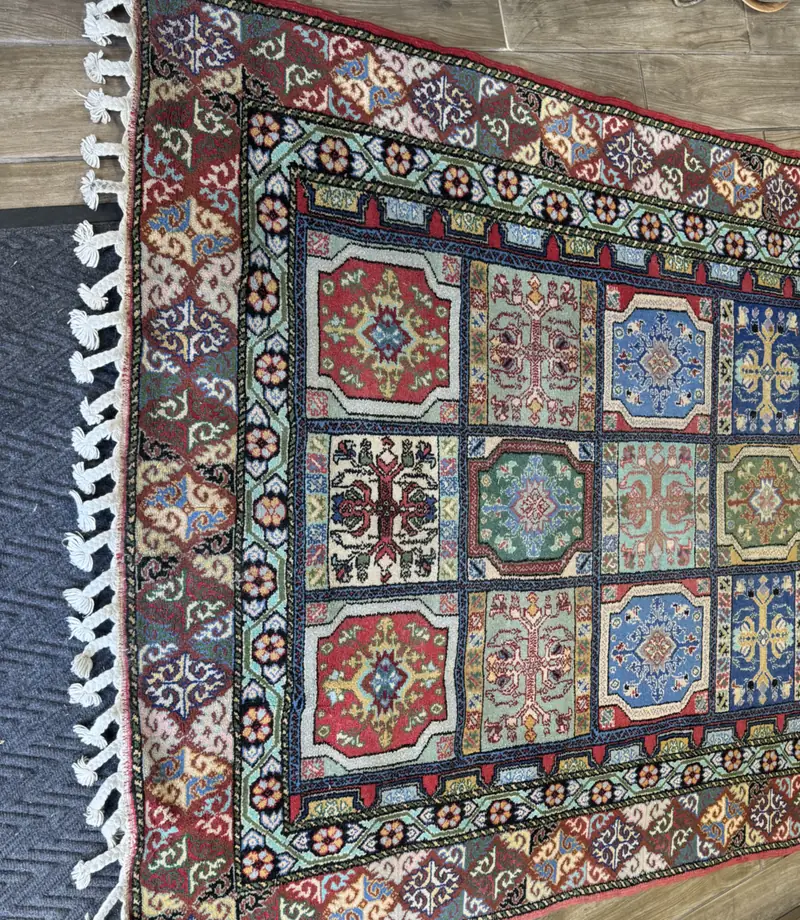
Time for a closer look?
- Decades of embedded dust
- Fragile or brittle fibers
- Color bleeding risk
- Moth or insect residue
- Musty storage odor
- Surface grime obscuring pattern
Let's care for
something remarkable.
A favorite piece. A family heirloom.
A room that feels like you again.