
Handmade Rug Cleaning
in Park Slope
Every handmade rug is unique. We assess each piece individually to honor the artisan's work.
Arrange a pickup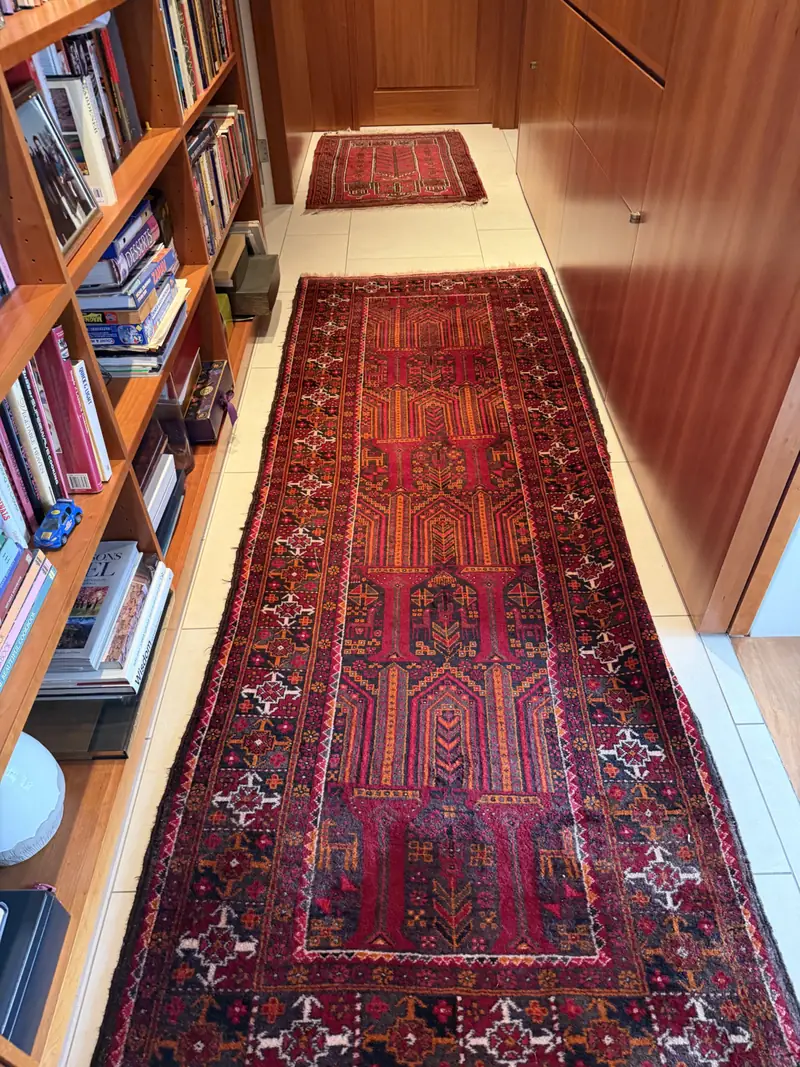 PHOTOGRAPHED BY OUR TEAM
Care begins with
understanding.
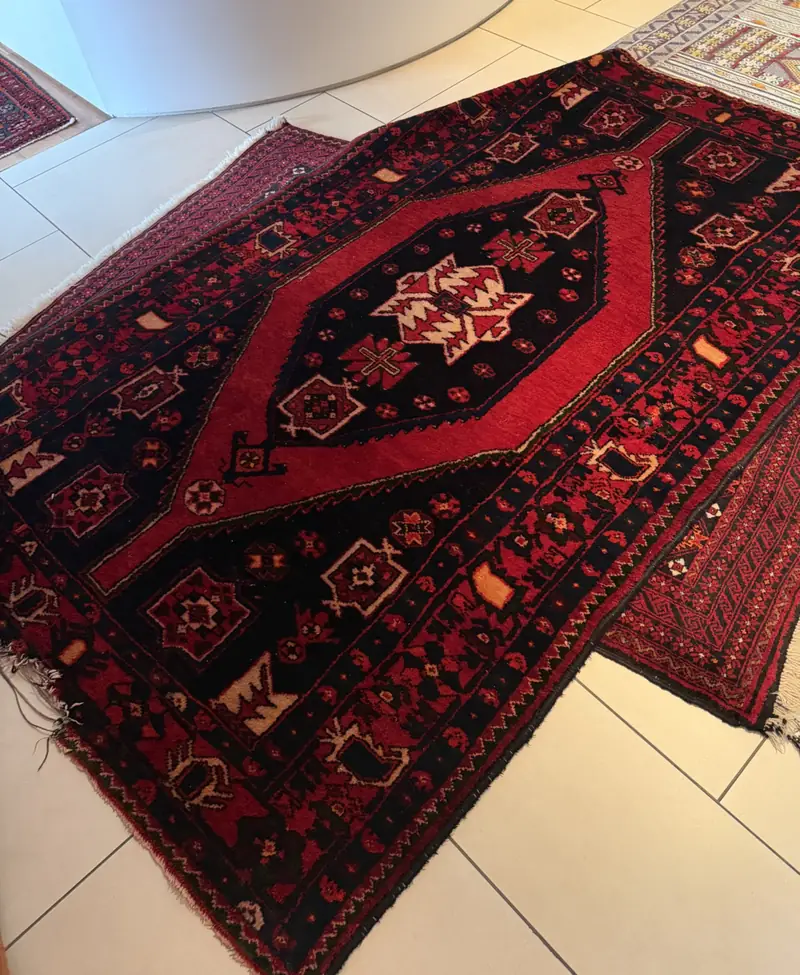
Handmade rugs, whether hand-knotted, hand-tufted, or flatwoven, represent a personal investment in craftsmanship. Each piece has unique characteristics that demand individualized attention. Our specialists examine the weave structure, fiber blend, and dye method of every handmade rug before designing a custom cleaning plan. This ensures the artisan's work is preserved while delivering a deep, revitalizing clean.
We discuss the condition, recommended treatment and expected outcome with you. The appropriate method is selected after inspection; not every treatment is suitable for every rug.
Handmade Rug Cleaning in Park Slope
Cotton dhurries and other flatwoven rugs take water differently from knotted pile. A cotton flatweave can shrink when it is soaked, and the dyes in many dhurries are loose enough to run into the pale ground. If a dhurrie has been washed at home and its colors spread, or it came out smaller, tell us when you book, and we say before any work what can be improved. Every handmade piece is checked for its weave and the steadiness of its colors, then washed and dried flat under control. Park Slope holds 42,389 homes in 9,621 residential buildings, a neighborhood of small buildings, where a flatweave rolls tight and light for the carry. Construction is the first fact the assessment settles, and the back of the rug tells it: a knotted piece displays its knot tails in rows and is fit for a full immersion wash, a tufted piece hides latex under a cloth sheet and takes a controlled, low-moisture wash, since glue that is handled soaked can let go of the pile, and a flatweave presents weft crossing warp and nothing else behind, and is washed and dried flat so it keeps its square. A deep pile left in undyed wool, the shaggy Moroccan style among them, holds soil out of sight and lets go of loose fiber heavily at first; a wash lets that surplus wool come away in bulk, and once it is done the shedding drops to the slow background loss any wool piece carries. Pale wool can yellow where spills are left sitting, so treat spots early rather than late. Vacuum a long pile without the beater bar, which tears at it, and give small flatweaves a shake outdoors. Each piece gets a plan of its own, drawn from the weave, the fiber blend and the way the dyes were set, and the closing inspection goes over the pile and the edges by hand before the wrapping goes on. A dhurrie that has already shrunk unevenly can sometimes be squared back on the table, and the assessment says so before any promise is made, since a cotton flatweave that has felted may keep its smaller size.
- 40%of homes in walk-ups
- 77%built before 1940
- 4floors in the median home's building
A careful
consideration.
- 01Weave-specific assessment
- 02Custom cleaning plan per piece
- 03Hand-washing with gentle agitation
- 04Fiber-safe stain treatment
- 05Low-heat controlled drying
- 06Final hand inspection
Time for a closer look?
- Uneven soiling patterns
- Loose fibers or shedding
- Dye migration risk
- Surface stains
- Odor absorption
- General wear patterns
Let's care for
something remarkable.
A favorite piece. A family heirloom.
A room that feels like you again.