
Handmade Rug Cleaning
in Brooklyn
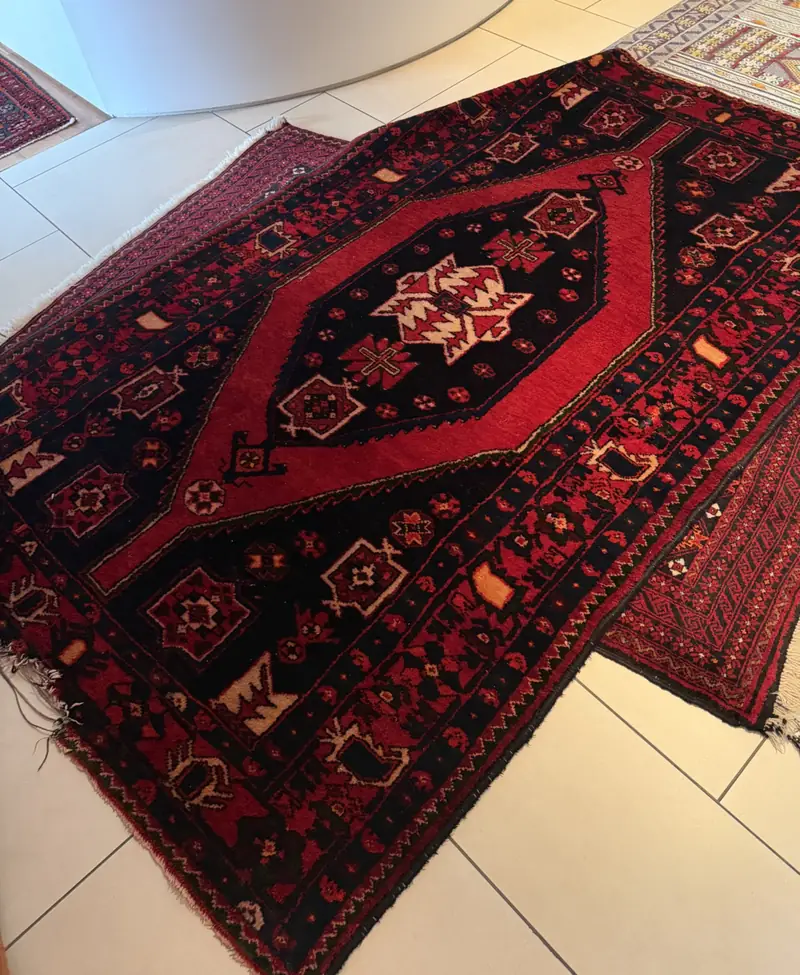
Every handmade rug is unique. We assess each piece individually to honor the artisan's work.
Arrange a pickup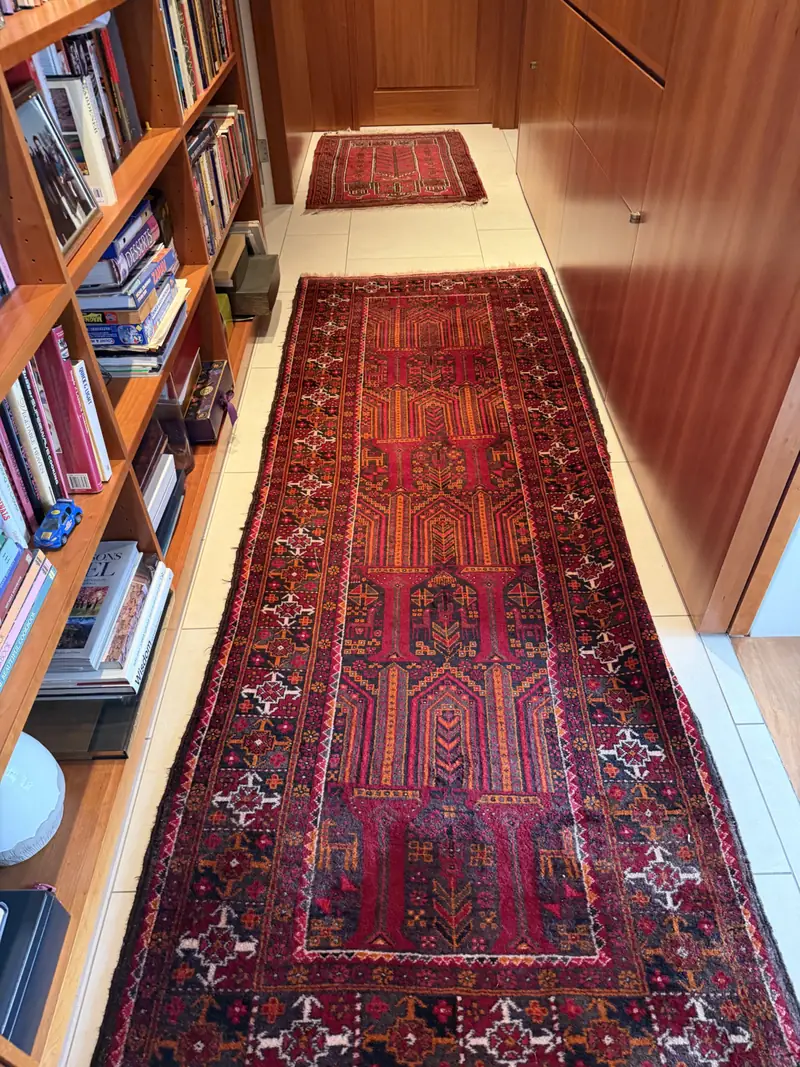 PHOTOGRAPHED BY OUR TEAM
Care begins with
understanding.
Handmade rugs, whether hand-knotted, hand-tufted, or flatwoven, represent a personal investment in craftsmanship. Each piece has unique characteristics that demand individualized attention. Our specialists examine the weave structure, fiber blend, and dye method of every handmade rug before designing a custom cleaning plan. This ensures the artisan's work is preserved while delivering a deep, revitalizing clean.
We discuss the condition, recommended treatment and expected outcome with you. The appropriate method is selected after inspection; not every treatment is suitable for every rug.
Handmade Rug Cleaning in Brooklyn
With 1931 as the median year built, the floors under Brooklyn rugs are mostly old wood boards, and a flatwoven piece laid loose on them slides underfoot and gathers into folds, each fold a line where the weave creases and wears faster than the field around it. A thin pad underneath holds a kilim or dhurrie still, and the padding is worth mentioning at booking if the rug has been sliding, since the assessment will look at the crease lines first. Construction decides everything about the wash, and the back of the rug is where it shows: knots appear as a clear pattern of tails on a hand-knotted piece, a glued cloth backing means hand-tufting, and a flat surface where the weft runs across the warp with nothing rising out of it means a flatweave. The three take different processes: the knotted piece accepts a complete hand-wash at a measured level of agitation, while the tufted piece gets a restrained low-moisture route because its latex layer softens when soaked and crumbles when handled wet, and the flatweave is washed and dried lying flat so that a damp kilim never stretches out of its square corners, a change that resists later correction. Each piece gets its own plan: the weave structure, fiber blend and dye method are read first, stains are treated with agents chosen for that fiber, and the drying stage runs low and slow, since a handmade piece dried too fast puckers along one edge. The closing look is done by hand, row by row and end to end. Shedding separates a new piece from an old one: loose fibers on a recent rug are surplus wool settling down, while shedding from a decades-old piece can mean pile sheared away by wear, and the difference is worth a line on the tag. If the rug has been washed at home before, or has already rippled after an earlier cleaning, say so, because that history changes the plan. What the service changes: soil at the base of the weave lifts and colors clear; what stays: latex already crumbled and pile already gone, both reported at the assessment.
- 31%of homes in walk-ups
- 57%built before 1940
- 4floors in the median home's building
A careful
consideration.
- 01Weave-specific assessment
- 02Custom cleaning plan per piece
- 03Hand-washing with gentle agitation
- 04Fiber-safe stain treatment
- 05Low-heat controlled drying
- 06Final hand inspection
Time for a closer look?
- Uneven soiling patterns
- Loose fibers or shedding
- Dye migration risk
- Surface stains
- Odor absorption
- General wear patterns
Let's care for
something remarkable.
A favorite piece. A family heirloom.
A room that feels like you again.