
Handmade Rug Cleaning
in Cobble Hill & Carroll Gardens
Every handmade rug is unique. We assess each piece individually to honor the artisan's work.
Arrange a pickup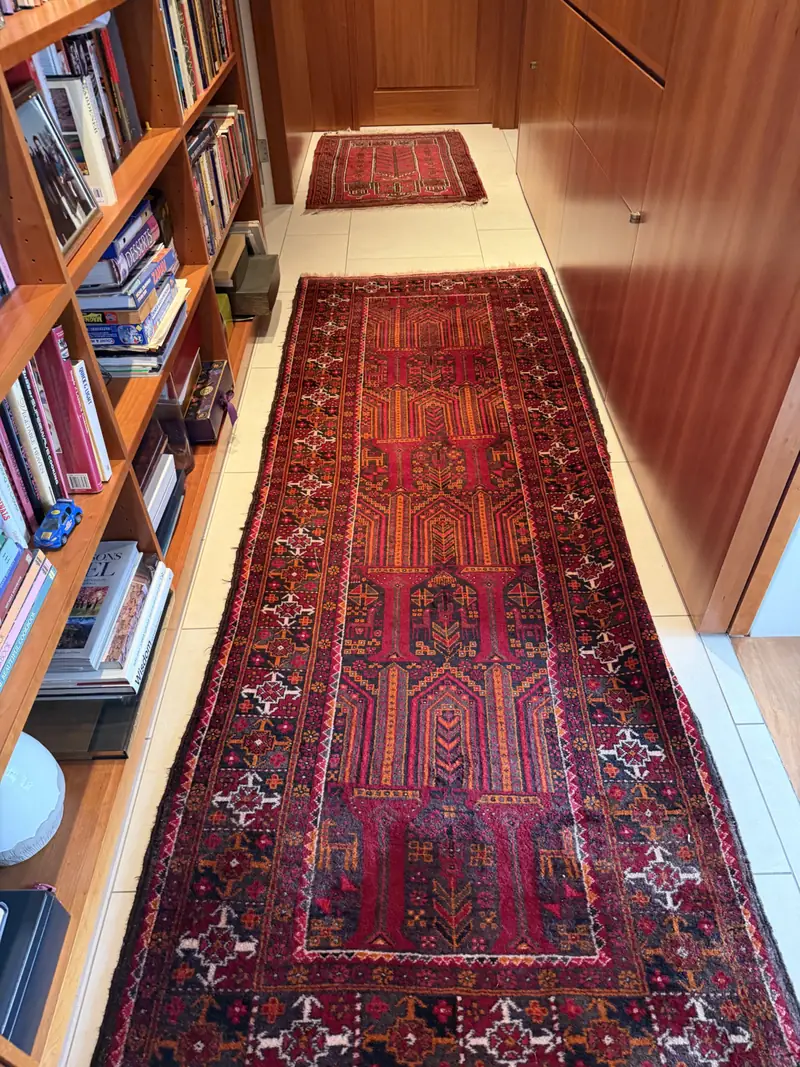 PHOTOGRAPHED BY OUR TEAM
Care begins with
understanding.
Handmade rugs, whether hand-knotted, hand-tufted, or flatwoven, represent a personal investment in craftsmanship. Each piece has unique characteristics that demand individualized attention. Our specialists examine the weave structure, fiber blend, and dye method of every handmade rug before designing a custom cleaning plan. This ensures the artisan's work is preserved while delivering a deep, revitalizing clean.
We discuss the condition, recommended treatment and expected outcome with you. The appropriate method is selected after inspection; not every treatment is suitable for every rug.
Handmade Rug Cleaning in Cobble Hill & Carroll Gardens
The building dates here run wide, 52 percent of homes in prewar stock against 33 percent raised this century, and a handmade rug lives comfortably in either, which is why the question is never the age of the room but the construction of the piece, and the back of the rug is where that shows. Knot tails in a visible pattern identify a knotted-by-hand piece; a glued secondary cloth marks hand-tufting; a flat back with no pile rising from the weft marks a flatweave; and the three of them ask for processes so different that one method cannot serve all three: the knotted piece takes its full wash by hand with agitation kept measured, the tufted piece gets a restrained, moisture-thrifty route, because soaking softens its latex layer and a softened layer sheds pile, and the flatweave is washed in a bath and dried lying flat, because a kilim hung up damp stretches and surrenders its corners, a shift that resists later correction. A tufted rug shedding crumbly yellow grains off its underside is announcing latex decay, and such a piece travels flat, is washed gently and dried flat with the backing supported throughout. The dyes get read before any water arrives, since strong synthetic dyes in a handmade rug can bleed into a pale ground; a red that has already run is far harder to correct than to head off; where a rug has bled after a spill at some point, that history belongs on the tag. A flatweave pressed into service as a kitchen rug takes cooking soil that a bath handles well, one more reason the construction question comes before the treatment question. Every piece is given a plan of its own, weave structure and fiber blend come first, fiber-safe stain treatment after that, low-heat drying next, and a last inspection by hand at the end. What the service changes: grit that lodged deep in the weave lifts away, colors clear, and a flatweave returns square; the failures beyond it are latex gone to crumb and pile worn off entirely, both reported at the assessment.
- 41%of homes in elevator buildings
- 52%built before 1940
- 4floors in the median home's building
A careful
consideration.
- 01Weave-specific assessment
- 02Custom cleaning plan per piece
- 03Hand-washing with gentle agitation
- 04Fiber-safe stain treatment
- 05Low-heat controlled drying
- 06Final hand inspection
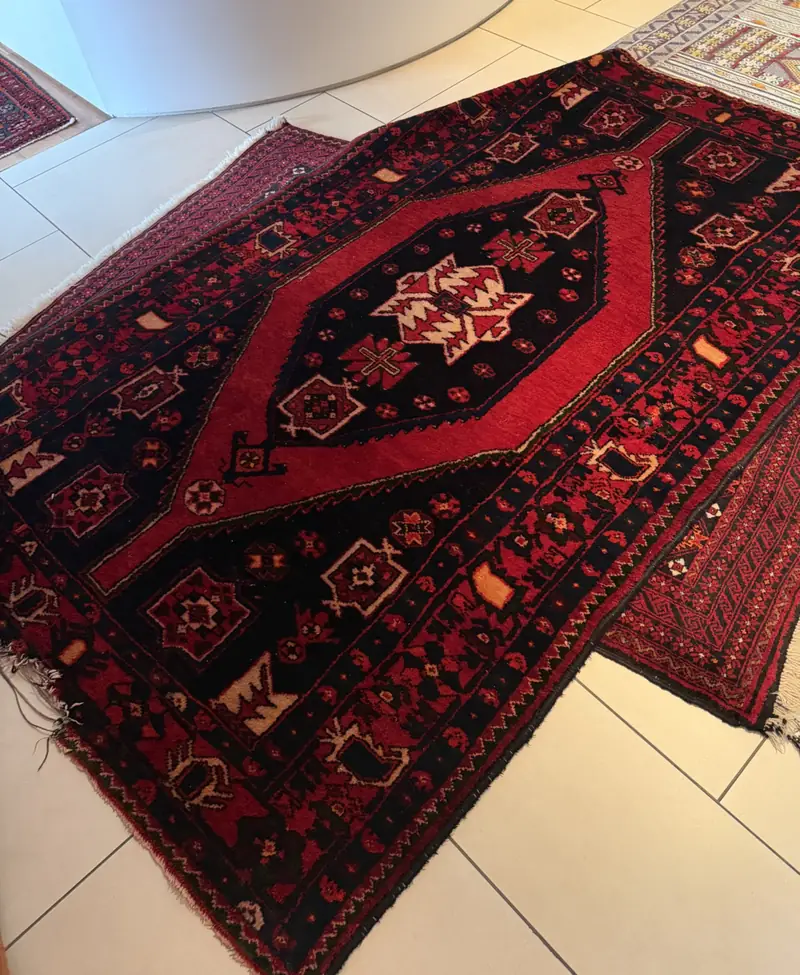
Time for a closer look?
- Uneven soiling patterns
- Loose fibers or shedding
- Dye migration risk
- Surface stains
- Odor absorption
- General wear patterns
Let's care for
something remarkable.
A favorite piece. A family heirloom.
A room that feels like you again.