
Antique Rug Cleaning
in Manhattan
Gentle, low-agitation cleaning for vintage and antique rugs, with preservation first.
Arrange a pickup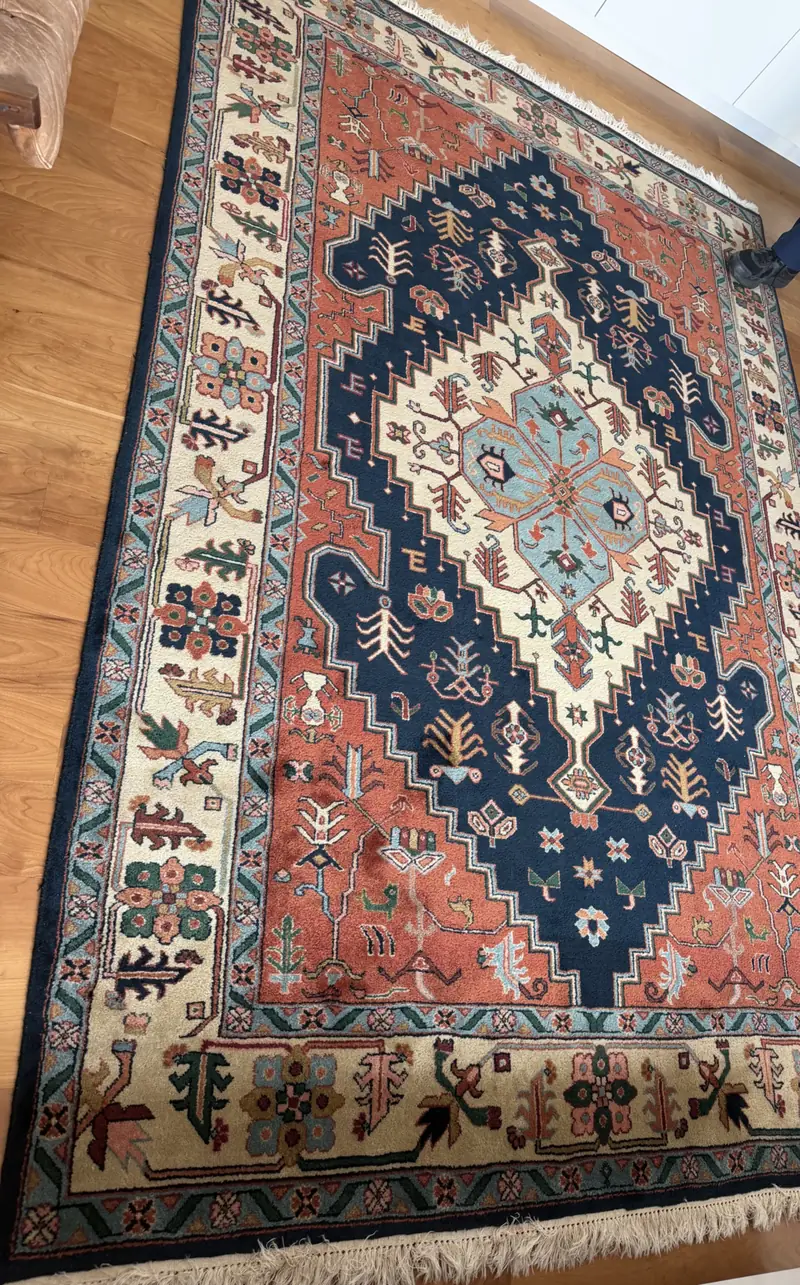 PHOTOGRAPHED BY OUR TEAM
Care begins with
understanding.
Antique rugs require an extraordinarily careful approach. Age, natural dyes, and delicate fibers demand cleaning techniques that prioritize preservation above all else. Our specialists evaluate each antique piece for colorfastness, structural integrity, and fiber fragility before selecting a cleaning protocol. We use gentle, low-agitation methods that remove decades of accumulated soil while honoring the character and patina that make your rug a treasure.
We discuss the condition, recommended treatment and expected outcome with you. The appropriate method is selected after inspection; not every treatment is suitable for every rug.
Antique Rug Cleaning in Manhattan
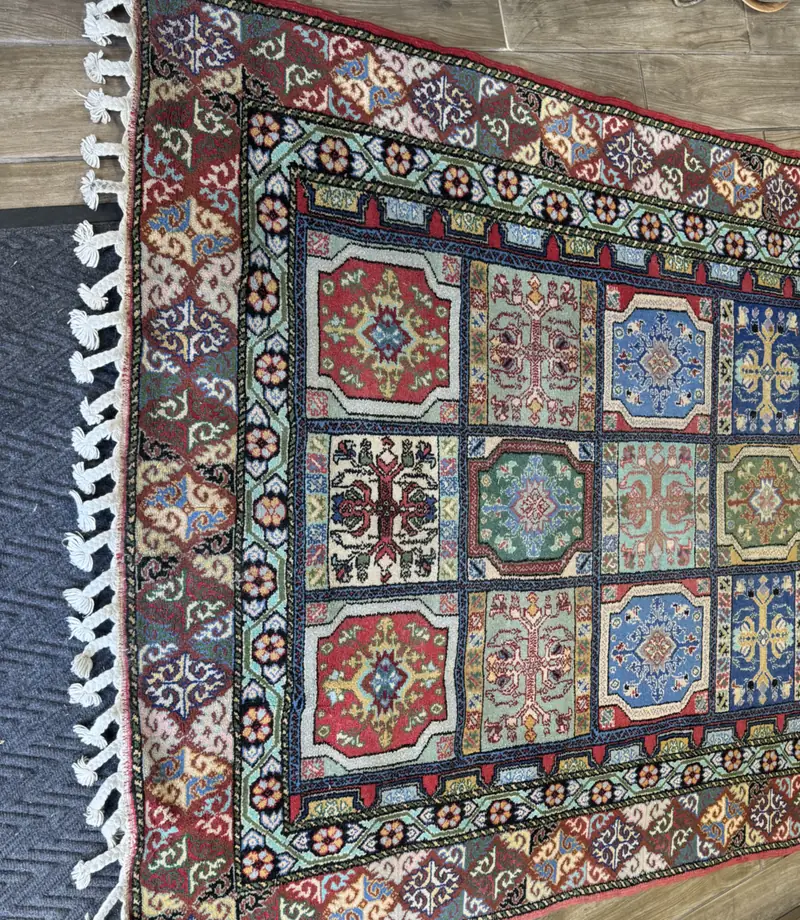
An antique rug can be older than the building it lies in, even in a borough where half the homes are in buildings finished before 1940. Age tells first in the foundation, which can turn dry and brittle, and at the ends and sides, where knots work loose. In the walk-ups that hold close to a quarter of Manhattan homes, such a rug is carried down with support under its whole length, which keeps a brittle area from taking the strain. An old rug cleaned too hard can come back brighter and weaker, so some are better left soft with their age showing; we say which before starting. Until pickup, do not shake or beat an antique rug, and note any tear or old repair you know of on the pickup tag. The work on such a piece begins with colorfastness testing, done drop by drop on hidden areas, because a dye recipe from decades ago does not behave like a modern one. The cleaning that follows is a low-agitation hand-cleaning with solutions close to neutral, worked into the pile with sponges and soft brushes instead of machinery, and where the foundation is unsound the wash is kept shallow so water never loads the weak place. Everything is decided against the risk: a rug whose knots sit on rotted cotton is cleaned differently from one whose only fault is a worn border. Repairs are quoted separately and never folded silently into the wash, and where a patch or re-pile is wanted it happens after the cleaning, on a dry rug, under good light. What you can do before we come: stop walking the rug hard along its worn lane, keep it out of any damp basement, and write down its history if it has one, since a rug that survived a grandmother's kitchen and an ocean crossing carries that story in its repairs, and knowing it keeps us from reading an old mend as new damage. What the wash returns is quiet but real. Soil that sat in the foundation for years comes out, and the wool, freed of it, recovers some of the give that made the rug pleasant underfoot. The colors come back to themselves rather than to newness, which is the aim with a piece whose age is part of its worth. Drying is flat and takes its time, the pile realigned by hand so the lie of the wool keeps the pattern reading true.
- 54%of homes in elevator buildings
- 50%built before 1940
- 12floors in the median home's building
A careful
consideration.
- 01Colorfastness testing
- 02Low-agitation hand-cleaning
- 03Natural pH-neutral solutions
- 04Controlled flat drying
- 05Gentle pile realignment
- 06Careful, supported handling
Time for a closer look?
- Decades of embedded dust
- Fragile or brittle fibers
- Color bleeding risk
- Moth or insect residue
- Musty storage odor
- Surface grime obscuring pattern
Let's care for
something remarkable.
A favorite piece. A family heirloom.
A room that feels like you again.