
Antique Rug Cleaning
on the Upper East Side
Gentle, low-agitation cleaning for vintage and antique rugs, with preservation first.
Arrange a pickup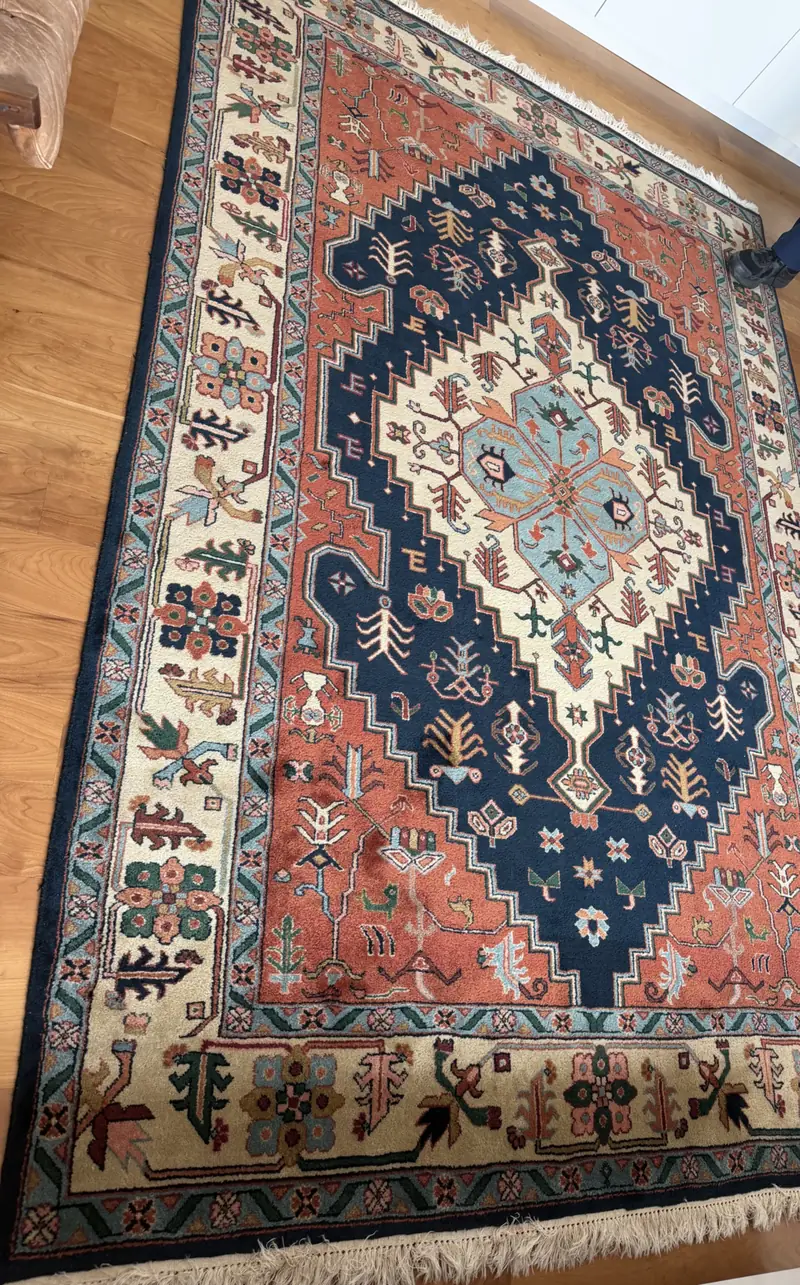 PHOTOGRAPHED BY OUR TEAM
Care begins with
understanding.
Antique rugs require an extraordinarily careful approach. Age, natural dyes, and delicate fibers demand cleaning techniques that prioritize preservation above all else. Our specialists evaluate each antique piece for colorfastness, structural integrity, and fiber fragility before selecting a cleaning protocol. We use gentle, low-agitation methods that remove decades of accumulated soil while honoring the character and patina that make your rug a treasure.
We discuss the condition, recommended treatment and expected outcome with you. The appropriate method is selected after inspection; not every treatment is suitable for every rug.
Antique Rug Cleaning on the Upper East Side
A third of the homes here are co-ops, many of them in the prewar buildings whose high ceilings and deep rooms were built in the decades before 1940, and an antique rug in a room like that may be older than the finish on the floor beneath it. In an old rug the structure comes first and the looks second. Over the years the cotton foundation dries out, and the warp loses its give along the way, so a rug in that state is hurt less by washing than by the way it is moved: a fold can crack a warp that has stiffened where the pile still looks whole, so an antique travels rolled, supported from end to end, and is unrolled flat as soon as it arrives. Draw a palm across the back before we come. Stiffness, a crackle, or a soft spot where something wet once stood all deserve a line on the tag, because each one alters the plan. Flower pots are the quiet hazard in rooms like these: a pot set down with nothing under it, or one whose saucer overflows, keeps a stretch of the rug damp for weeks, and rot in a foundation will not wash out again; we press along the back during the assessment and show you anything that turns up before the work starts, so a saucer under every pot, moved an inch now and then, is the whole of the prevention. The cleaning is done by hand, at the gentlest agitation the piece allows, in a natural solution held at neutral pH, with the fastness of every dye settled in advance, and the washing cut short where a color argues. Drying happens flat, and the pile is realigned by hand instead of brushed, because an old pile comes loose before it stands up. Repairs from earlier decades enter the record too: an old patch, a re-woven border, a sewn edge all get written down, since they answer water differently from the cloth around them. The wash lifts the gray that city air has pressed into the pile over the years, and older pieces often read a good deal clearer for it. What remains is the wear of long use: thinned spots, trimmed ends, older repairs. Each of those is named before anything is wetted, and the piece comes back with the list recorded.
- 60%of homes in elevator buildings
- 40%built before 1940
- 16floors in the median home's building
A careful
consideration.
- 01Colorfastness testing
- 02Low-agitation hand-cleaning
- 03Natural pH-neutral solutions
- 04Controlled flat drying
- 05Gentle pile realignment
- 06Careful, supported handling
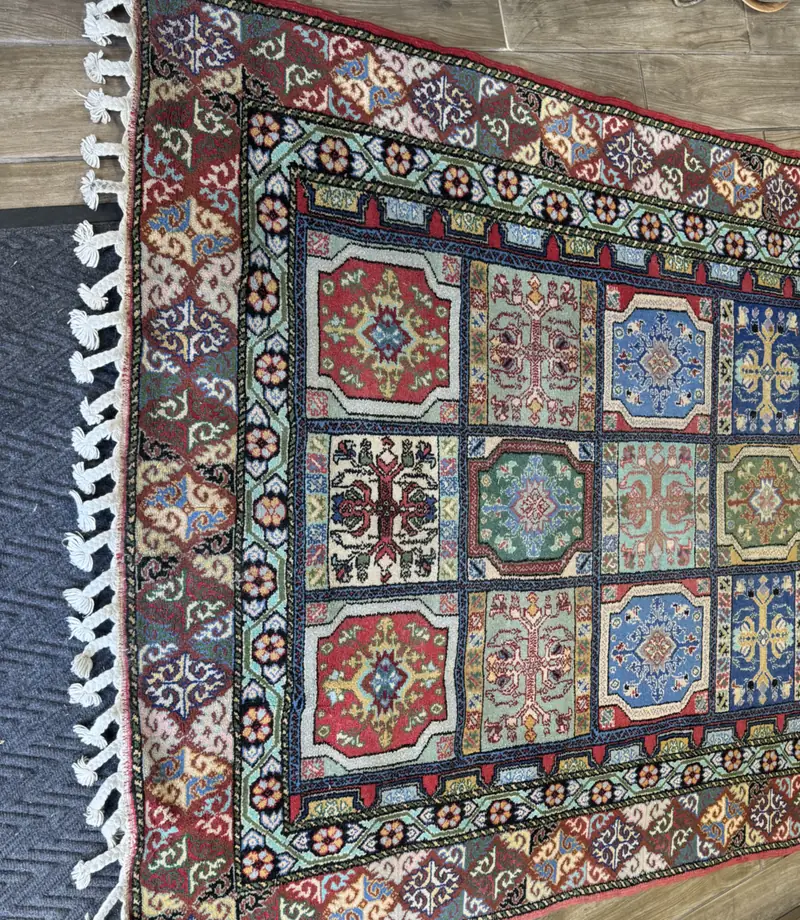
Time for a closer look?
- Decades of embedded dust
- Fragile or brittle fibers
- Color bleeding risk
- Moth or insect residue
- Musty storage odor
- Surface grime obscuring pattern
Let's care for
something remarkable.
A favorite piece. A family heirloom.
A room that feels like you again.