
Persian Rug Cleaning
in Hell's Kitchen
Deep expertise in Persian rug construction and dyes, cleaned according to region and fiber.
Arrange a pickup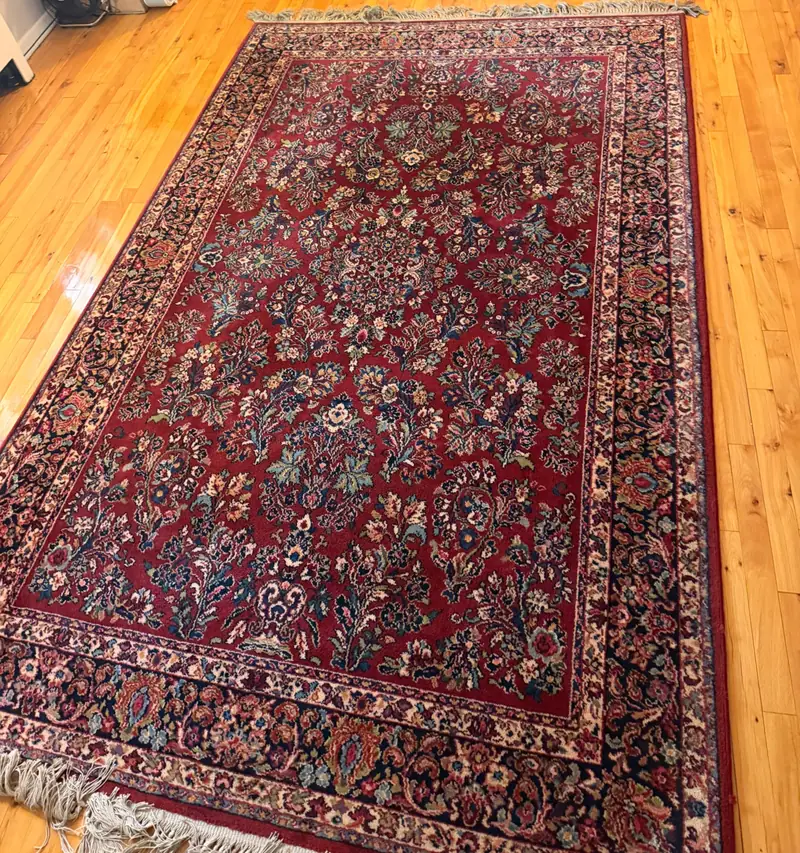 PHOTOGRAPHED BY OUR TEAM
Care begins with
understanding.
Persian rugs are among the world's most coveted textiles, each reflecting the tradition of its region, from the intricate florals of Isfahan to the bold geometry of Heriz. Our cleaning approach accounts for the specific knot density, dye type, and wool or silk composition of each Persian piece. We work to lift embedded soil and bring back color while preserving the rug's character.
We discuss the condition, recommended treatment and expected outcome with you. The appropriate method is selected after inspection; not every treatment is suitable for every rug.
Persian Rug Cleaning in Hell's Kitchen
Natural dyes do not all lose depth at the same rate, so a Persian that takes strong light can change unevenly, and some changes are odd to the eye: a green made by dyeing yellow over blue can drift toward blue as the yellow goes first. Cleaning does not restore what the light has taken away; it lifts the soil from the color still there, and it is worth knowing that difference before the rug leaves. The towers that hold 43 percent of homes in Hell's Kitchen take direct light for long stretches, and from the 14 floor building that holds the median home here, the upper apartments often sit above the shade their neighbors would cast, so a rug in one of those rooms can sit in light nearly all day. Turn the rug end to end between seasons so the light falls evenly, draw a shade at the brightest hour, and mention which end faced the window when you book, because that end is usually the lighter one, and the wash evens the soil without evening the light. Stabilizing the natural dyes before the bath keeps the colors that remain from moving while the rug is wet, the immersion is full where the dyes permit, rinsing runs in stages, and the piece is dried flat with air moving through the room. Region and weave guide the plan: a fine city piece with a high knot count is handled differently from a sturdy village weave, and a Heriz is heavy but more forgiving than a Bidjar, so say where the rug came from if you know, or share paperwork from its purchase. Bring the rug's history if you have it in writing; even a receipt narrows the questions at the assessment. A rug that spends part of the year rolled and part of it laid out ages unevenly, so a piece that alternates between storage and display is worth describing at booking, because the light record helps us read the piece. Worn ends, weakened edges and earlier repairs are pointed out before any work starts, so the condition holds no surprises on return.
- 38%of homes in elevator buildings
- 36%built before 1940
- 14floors in the median home's building
A careful
consideration.
- 01Region-specific cleaning protocols
- 02Natural dye stabilization
- 03Full immersion hand-wash
- 04Multi-stage rinsing
- 05Flat drying with air circulation
- 06Hand-finished fringe cleaning
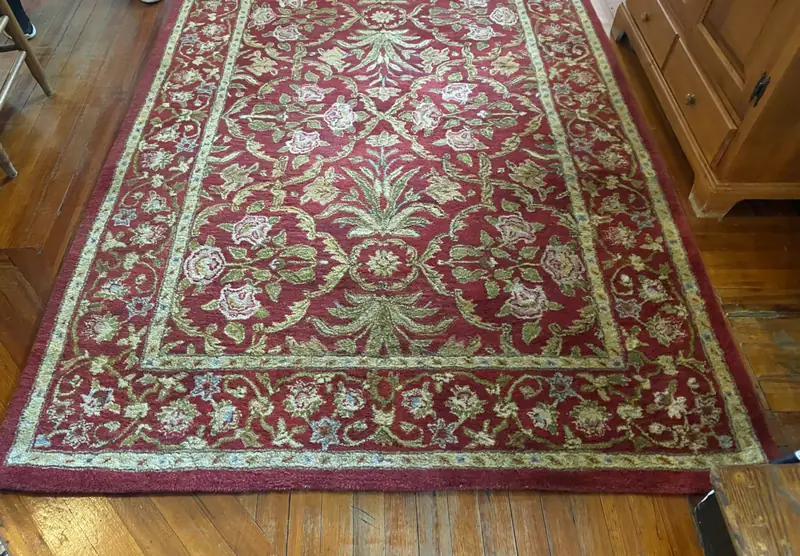
Time for a closer look?
- Color fading from sun exposure
- Deep-set soil in dense pile
- Fringe discoloration
- Food or beverage stains
- Pet-related damage
- Dust mite accumulation
Let's care for
something remarkable.
A favorite piece. A family heirloom.
A room that feels like you again.