
Handmade Rug Cleaning
in White Plains
Every handmade rug is unique. We assess each piece individually to honor the artisan's work.
Arrange a pickup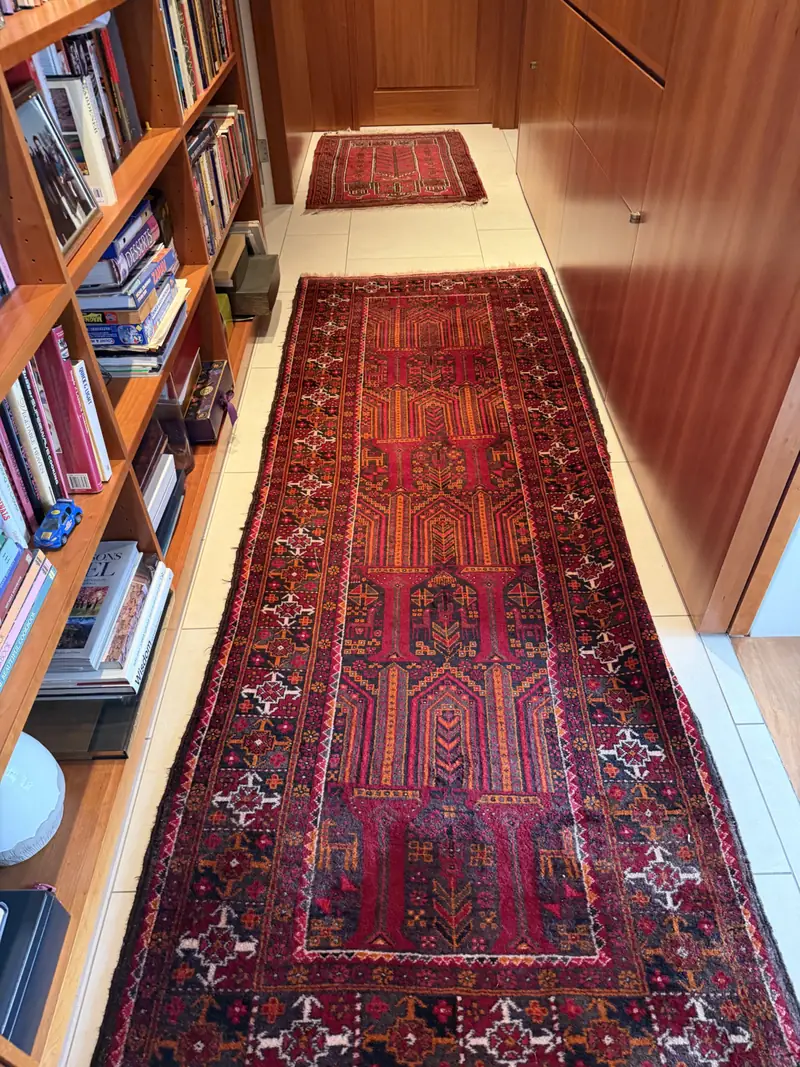 PHOTOGRAPHED BY OUR TEAM
Care begins with
understanding.
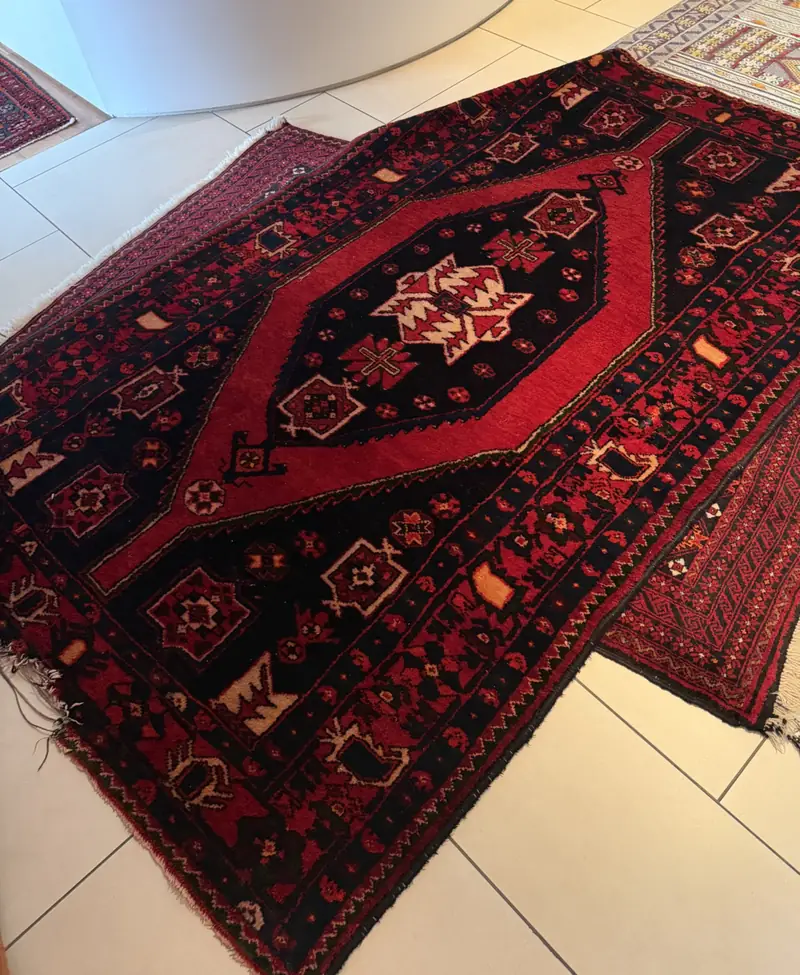
Handmade rugs, whether hand-knotted, hand-tufted, or flatwoven, represent a personal investment in craftsmanship. Each piece has unique characteristics that demand individualized attention. Our specialists examine the weave structure, fiber blend, and dye method of every handmade rug before designing a custom cleaning plan. This ensures the artisan's work is preserved while delivering a deep, revitalizing clean.
We discuss the condition, recommended treatment and expected outcome with you. The appropriate method is selected after inspection; not every treatment is suitable for every rug.
Handmade Rug Cleaning in White Plains
With 1961 as the median year built, White Plains housing leans postwar, and the floor beneath a handmade rug in a postwar apartment or house is likely to be wood, parquet or another smooth surface that a flatweave slides across. A thin pad under a kilim or a dhurrie keeps it where you laid it and buffers the weave from the floor's finish besides. Most kilims can serve on either face, and flipping one over once a year spreads wear across both sides instead of wearing a single side out. Before booking, turn the rug over and read its construction from the back: a hand-knotted pile shows the tails of the knots in neat rows, a tufted piece shows cloth and glue, and a flatweave presents weft crossed over warp, with nothing standing behind the surface. Note which you have, because the three take different washes. A knotted rug is washed by hand with agitation suited to the fiber and the dye, then rinsed and dried at low heat. A tufted rug, whose pile is held in a glued backing, takes a controlled, low moisture wash and drying laid flat, because soaked adhesive can let go of the pile or stiffen around it. A flatweave is wetted with care and dried flat and square: one that dries unevenly can shrink or draw out of true, and a flatweave that has shrunk rarely returns to size. Handmade rugs also vary in how their dyes behave, so no two pieces follow an identical plan, and a final inspection by hand checks the work before the rug is wrapped for the ride home. If a previous washing left colors altered, or the piece feels stiff or carries a smell of damp from a basement, say so on the tag, since each of those changes what the assessment will recommend. What the cleaning changes in practice: soil leaves the weave, colors separate again where dust had merged them, and the rug lies flat instead of rippling where a crease had set.
- 31%single family houses
- 30%built before 1940
- 51%owner occupied
A careful
consideration.
- 01Weave-specific assessment
- 02Custom cleaning plan per piece
- 03Hand-washing with gentle agitation
- 04Fiber-safe stain treatment
- 05Low-heat controlled drying
- 06Final hand inspection
Time for a closer look?
- Uneven soiling patterns
- Loose fibers or shedding
- Dye migration risk
- Surface stains
- Odor absorption
- General wear patterns
Let's care for
something remarkable.
A favorite piece. A family heirloom.
A room that feels like you again.