
Oriental Rug Cleaning
in Washington Heights and Inwood
Specialized hand-cleaning for Persian, Turkish, Moroccan, Afghan, and all handwoven oriental rugs.
Arrange a pickup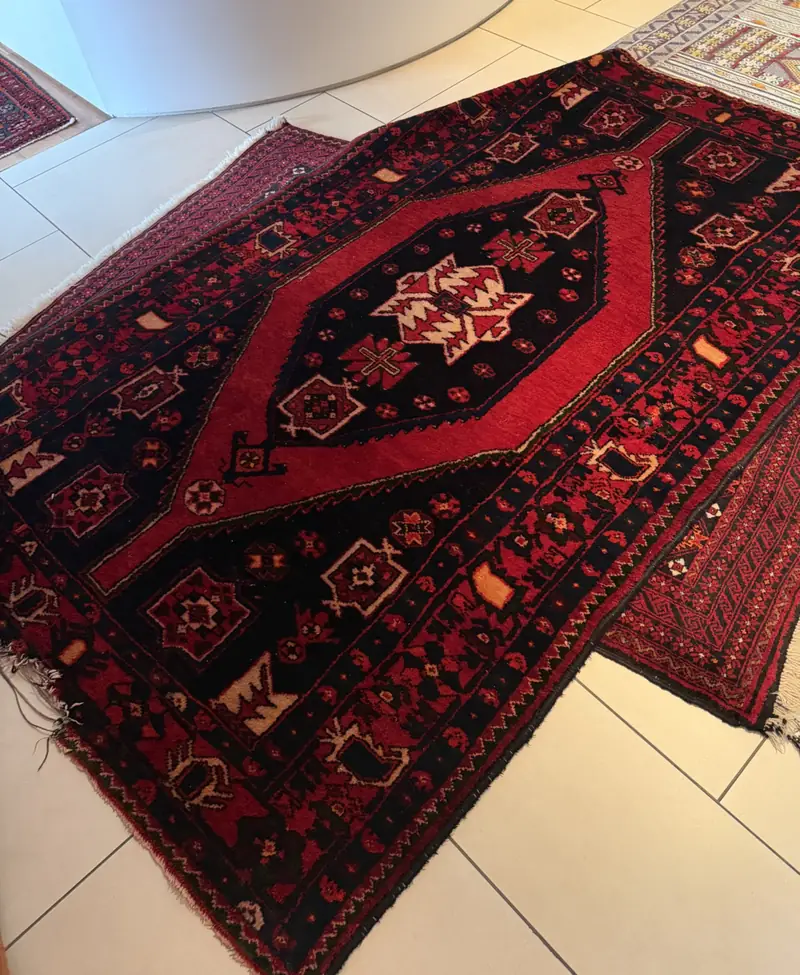 PHOTOGRAPHED BY OUR TEAM
Care begins with
understanding.
Oriental rugs represent centuries of artisan tradition. Our specialists understand the unique construction, dye chemistry, and fiber composition of each origin, from Tabriz and Isfahan to Oushak and Beni Ourain. Every oriental rug we receive is assessed individually and cleaned using methods calibrated to its specific weave, age, and condition. We remove embedded soil, restore vibrancy, and preserve the integrity that makes each piece irreplaceable.
We discuss the condition, recommended treatment and expected outcome with you. The appropriate method is selected after inspection; not every treatment is suitable for every rug.
Oriental Rug Cleaning in Washington Heights and Inwood
Uneven color in an oriental rug has two usual causes. One is abrash, the natural banding left by wool dyed in separate batches, which belongs to the rug and stays after cleaning. The other is sun. Towers of 20 floors or more are rare here, holding 4 percent of homes, but the land itself is high, and apartments on the ridge above the Hudson can take long afternoon light through west windows. We tell the two apart when we assess the rug and explain which one you are looking at. Fading from the sun is in the fiber and stays, so turning the rug each season and drawing the shades in the late afternoon are the protection that works. When you book, say which end of the rug lies nearest the window and for how long it has faced that way, because the assessment records the light exposure along with the fiber, the dyes, the foundation and the repairs a rug has picked up over the years, and you hear what the work involves before it starts. An oriental rug is hand-knotted, so its fringe is the warp running out through the end, and ends that were trimmed short years ago do not grow back; the assessment notes their state before anything is wet. The wash is a full immersion hand-wash in a solution chosen for the fiber, and a color stabilization test on a hidden corner comes first, so a dye that lifts in water is found on the table rather than in the bath. The rinsing goes stage by stage until the water clears, because soap left in the pile pulls in fresh soil and dulls the colors again. Drying happens flat, with air drawn across the pile, because a wet knotted piece hung by one end can draw its own weight out of true; once dry, the pile is groomed the way the knots run and the ends are worked over by hand. What the wash changes is the soil: grit from shoes and street settles between the knots over the years, a vacuum reaches only the surface, and the bath carries it out, which shows first at the borders, where feet have left the pile alone. If chairs scrape the rug daily, tell us where the table stood, and the grooming brings the worn track back into line.
- 52%of homes in elevator buildings
- 81%built before 1940
- 6floors in the median home's building
A careful
consideration.
- 01Full immersion hand-washing
- 02pH-balanced fiber-specific solutions
- 03Color stabilization testing
- 04Controlled low-temperature drying
- 05Hand-groomed pile finishing
- 06Fringe detailing
Time for a closer look?
- Fading or dull colors
- Embedded dirt and grit
- Musty or stale odor
- Pet stains and discoloration
- Fringe yellowing
- Moth or insect damage residue
Let's care for
something remarkable.
A favorite piece. A family heirloom.
A room that feels like you again.