
Handmade Rug Cleaning
in Jersey City
Every handmade rug is unique. We assess each piece individually to honor the artisan's work.
Arrange a pickup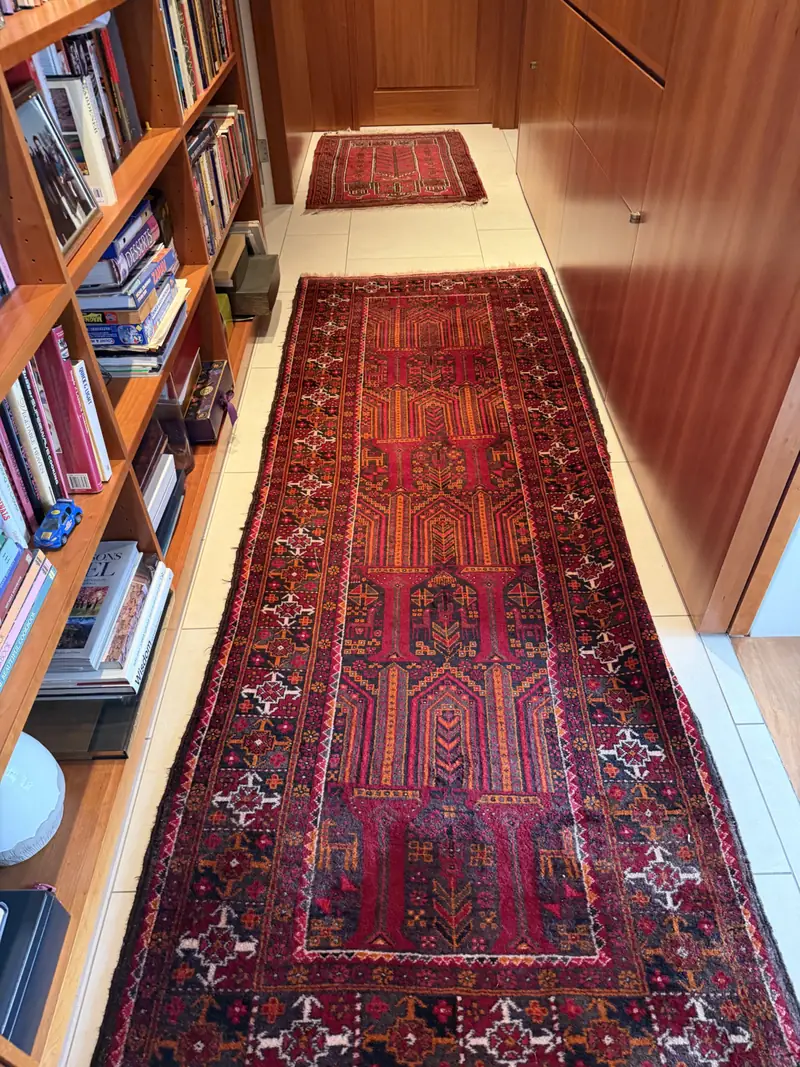 PHOTOGRAPHED BY OUR TEAM
Care begins with
understanding.
Handmade rugs, whether hand-knotted, hand-tufted, or flatwoven, represent a personal investment in craftsmanship. Each piece has unique characteristics that demand individualized attention. Our specialists examine the weave structure, fiber blend, and dye method of every handmade rug before designing a custom cleaning plan. This ensures the artisan's work is preserved while delivering a deep, revitalizing clean.
We discuss the condition, recommended treatment and expected outcome with you. The appropriate method is selected after inspection; not every treatment is suitable for every rug.
Handmade Rug Cleaning in Jersey City
Buildings from 2000 or later hold 30 percent of Jersey City homes, and the finish on a newer floor can discolor under a cheap plastic pad, so a handmade rug there is better on felt. Handmade covers several constructions: hand knotted pile, flat weaves such as kilims and dhurries, and hand tufted pieces whose cloth back is held on with glue; water affects each of them differently. Look at the back before booking, note what you find on the tag, and mention any earlier washing at home, since a rug that shrank or rippled before may do so again. The three constructions take water so differently that the assessment turns the rug over first. On the back of a hand-knotted piece the knots show as a fine grid, each with its own tail; on a tufted piece a cloth backing hides the stitches and the glue that holds them; on a flatweave the weft crosses the warp and no pile stands behind it, which is why a kilim looks much the same from either side. A knotted rug can take a full hand-wash; a tufted rug takes a controlled low-moisture one, because a glued backing that is soaked and flexed can let go of the pile, and once a tufted backing separates there is no washing it back on; a flatweave is washed flat and dried flat, since a wet flatweave hung up stretches and goes out of square. The plan is drawn for the piece itself rather than taken off a shelf: fiber, dyes, construction and condition are read first, the stain treatment is chosen to suit the fiber, and drying runs at low heat with a final hand inspection at the end, knot grid against knot grid, to catch anything the wash shifted. What you can do before pickup is mostly about the floor and the pad. A rubber-backed foam pad under a rug on a newer floor can imprint or discolor the finish over time, and felt does the same job without the chemistry; if the rug sits on a radiant warm floor, mention that too, since heat from below changes how a rug should be dried after washing. If a flatweave in the hall has already rippled at one end, say so on the tag, because ripple is corrected by blocking, which means wetting the rug flat and letting it dry square, and that is easier the first time than the second. And if a hand-tufted rug has begun to shed clumps of pile rather than single fibers, the glue line is failing, which the assessment will confirm; it changes what the wash can safely do.
- 14%single family houses
- 29%built before 1940
- 28%owner occupied
A careful
consideration.
- 01Weave-specific assessment
- 02Custom cleaning plan per piece
- 03Hand-washing with gentle agitation
- 04Fiber-safe stain treatment
- 05Low-heat controlled drying
- 06Final hand inspection
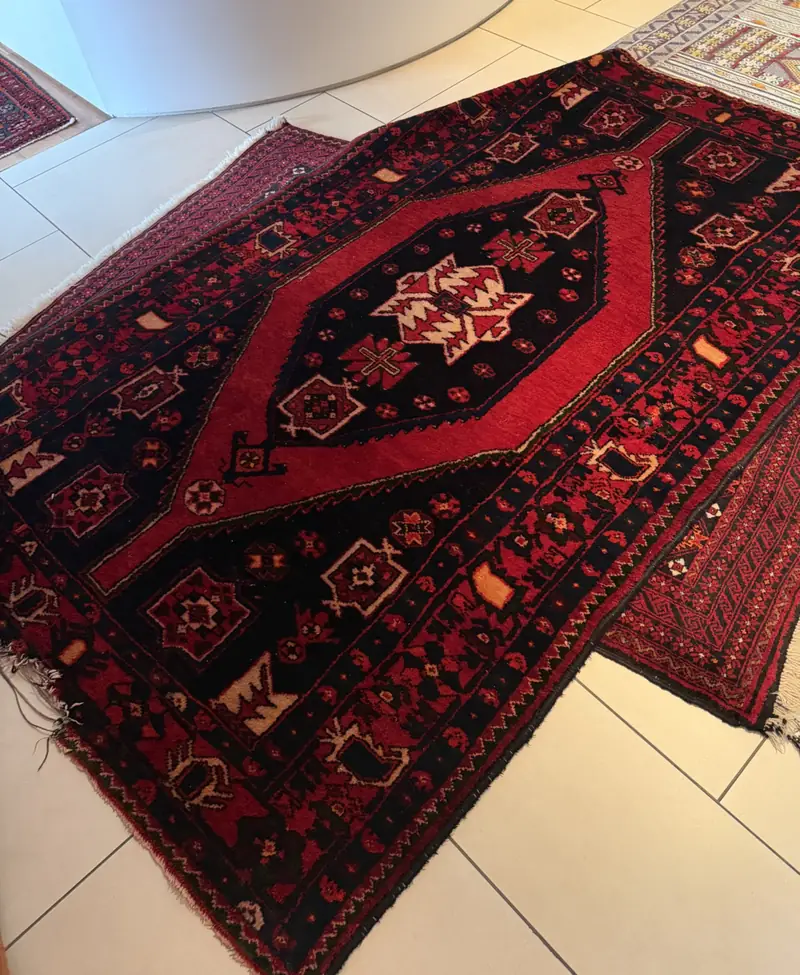
Time for a closer look?
- Uneven soiling patterns
- Loose fibers or shedding
- Dye migration risk
- Surface stains
- Odor absorption
- General wear patterns
Let's care for
something remarkable.
A favorite piece. A family heirloom.
A room that feels like you again.