
Handmade Rug Cleaning
in Hoboken
Every handmade rug is unique. We assess each piece individually to honor the artisan's work.
Arrange a pickup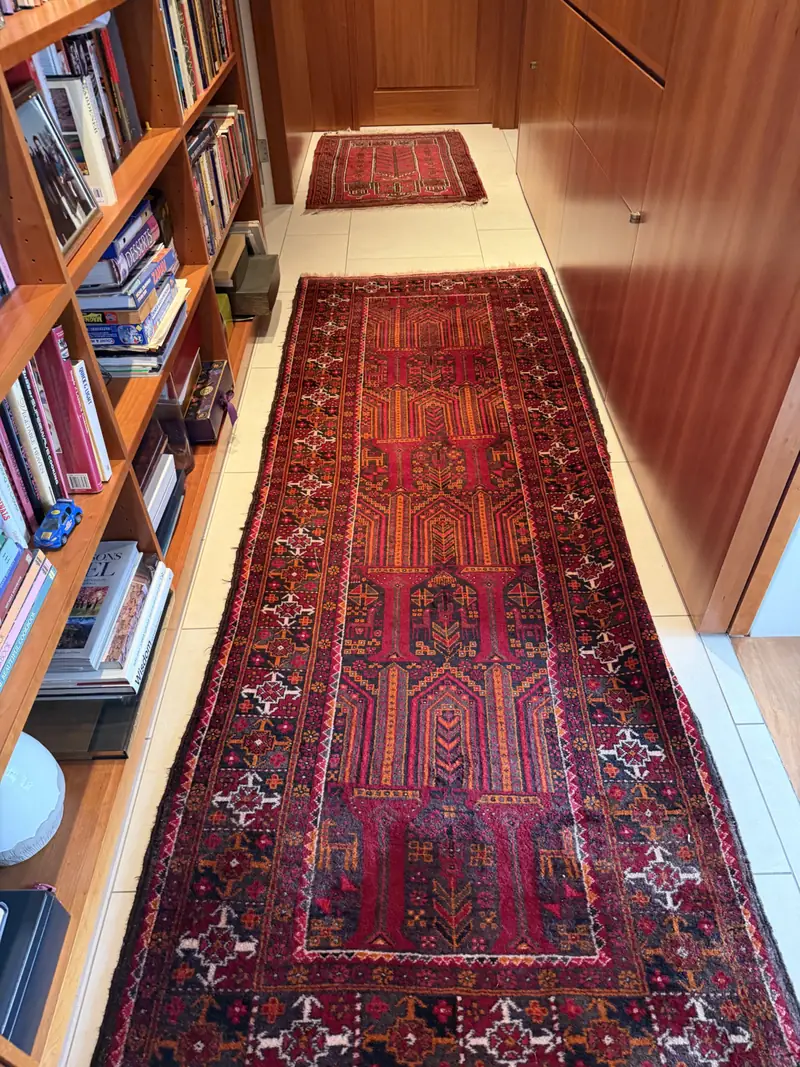 PHOTOGRAPHED BY OUR TEAM
Care begins with
understanding.
Handmade rugs, whether hand-knotted, hand-tufted, or flatwoven, represent a personal investment in craftsmanship. Each piece has unique characteristics that demand individualized attention. Our specialists examine the weave structure, fiber blend, and dye method of every handmade rug before designing a custom cleaning plan. This ensures the artisan's work is preserved while delivering a deep, revitalizing clean.
We discuss the condition, recommended treatment and expected outcome with you. The appropriate method is selected after inspection; not every treatment is suitable for every rug.
Handmade Rug Cleaning in Hoboken
Buildings from 2000 onward hold about a third of Hoboken's homes, and their floors are smooth and hard, which an handmade rug notices in two ways: it slides when it is crossed, and a flatweave in particular can drift out of square over a season of that. A pad with felt in it stops the sliding and takes friction off the back, so it is the first thing worth adding when a new rug lands on one of those floors. The rugs themselves are seldom square to begin with: sides wander and the two ends are often unequal in width, straight from the loom, and the shape stays that way after any wash. What a sloppy wash can bring is shrinkage or ripples, flatweaves above all, so the first thing studied is the weave of the piece, and the plan grows out of the construction rather than the size or the look of the piece. If the shape matters to you, take measurements of both ends and both sides before the rug is taken and keep the numbers, and the finished piece can be measured against them. A knotted rug, whose pile is tied onto the warp, can be washed by immersion from face to back. A tufted rug is pile punched through a cloth and held there by glue, so the wash stays barely damp and the drying is fast and flat, because adhesive that soaks can come loose. A flatweave, a kilim or a dhurrie among them, carries no pile at all, so the washing and the drying both happen flat, since hanging a damp one lets it wander off square, and a soak that is dried in a hurry can shrink it. Many flatweaves are woven to show on either face, and turning one over now and then divides the wear and the light evenly across the two faces. A soumak looks like a kilim but is built differently, and the assessment tells them apart before any water is chosen, so the method fits the weave and not the other way around.
- 4%single family houses
- 32%built before 1940
- 34%owner occupied
A careful
consideration.
- 01Weave-specific assessment
- 02Custom cleaning plan per piece
- 03Hand-washing with gentle agitation
- 04Fiber-safe stain treatment
- 05Low-heat controlled drying
- 06Final hand inspection
Time for a closer look?
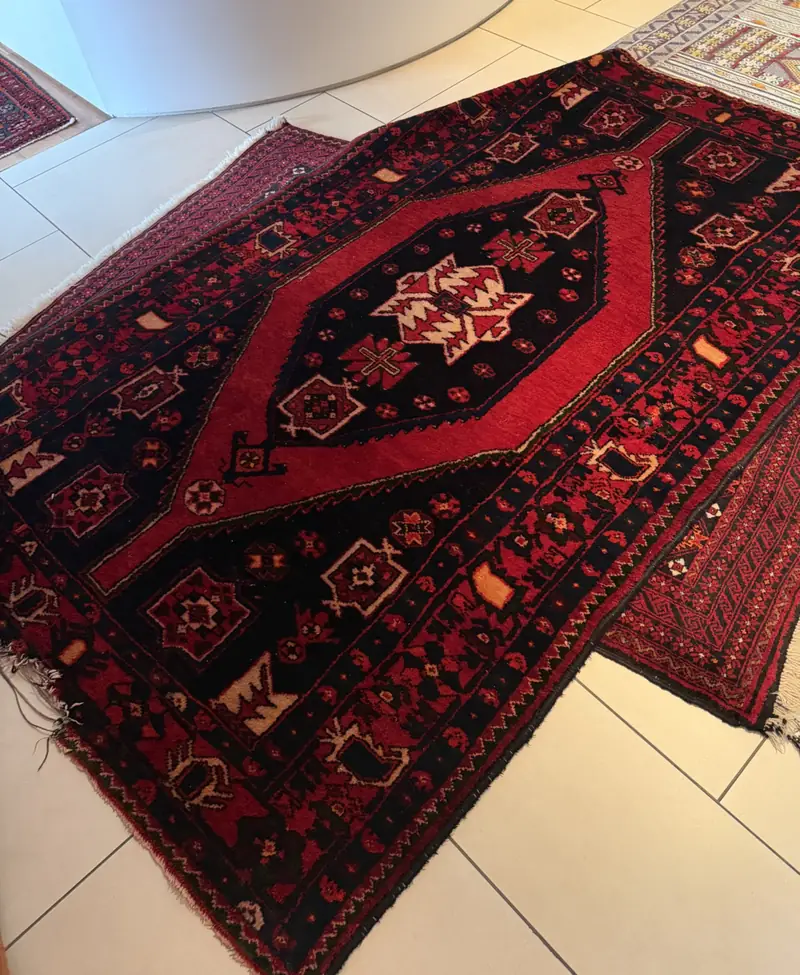
- Uneven soiling patterns
- Loose fibers or shedding
- Dye migration risk
- Surface stains
- Odor absorption
- General wear patterns
Let's care for
something remarkable.
A favorite piece. A family heirloom.
A room that feels like you again.