
Antique Rug Cleaning
in Hoboken
Gentle, low-agitation cleaning for vintage and antique rugs, with preservation first.
Arrange a pickup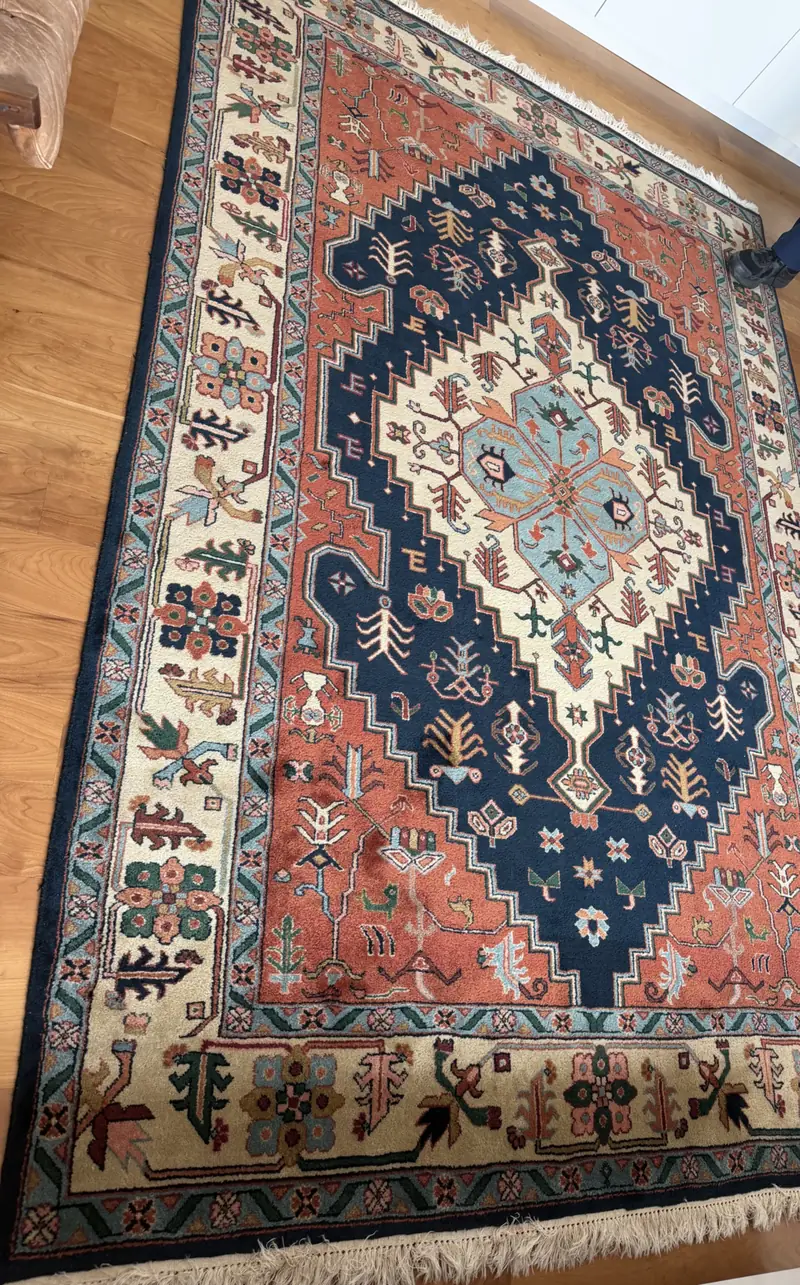 PHOTOGRAPHED BY OUR TEAM
Care begins with
understanding.
Antique rugs require an extraordinarily careful approach. Age, natural dyes, and delicate fibers demand cleaning techniques that prioritize preservation above all else. Our specialists evaluate each antique piece for colorfastness, structural integrity, and fiber fragility before selecting a cleaning protocol. We use gentle, low-agitation methods that remove decades of accumulated soil while honoring the character and patina that make your rug a treasure.
We discuss the condition, recommended treatment and expected outcome with you. The appropriate method is selected after inspection; not every treatment is suitable for every rug.
Antique Rug Cleaning in Hoboken
A good share of Hoboken's antiques came west across the Hudson decades ago and have spent their lives on parlor floors of brownstones and rowhouses, since 32 percent of homes here predate 1940. Those floors move: boards that swell in a humid summer and shrink in a dry winter work against an old foundation year after year, and a rug that lies on such a floor without a pad takes the movement straight into its warp. A pad with real felt in it, cut to sit inside the rug's edge, takes that strain off, and it is worth adding when the rug comes home. The cleaning itself starts with colorfastness testing, because many antiques were dyed in the years when the first synthetic colors reached the weaving districts, and those early dyes can run at the first touch of water, so an uncertain color is washed in stages and held where it belongs. Old repairs are recorded before the bath, since a patch rewoven later may carry newer yarn that behaves differently in water. The piece is carried with support from underneath and never folded, because a foundation that has dried across a century can crack where a fold stresses it. Hoboken's rowhouses have narrow halls and turning entries, and an antique often needs two people and a clear path out, so tell us the floor it sits on and what the way out looks like, and the visit is planned with the right number of hands. Age shows in particular places: pile shortest where the piece worked hardest, ends cut back years ago, old repairs sitting a little differently from the weaving around them. Some marks of age are better left in place, and we name which before any work begins, so what makes the piece itself is kept in place. What returns is the dust of years lifted out, colors just as the years left them, and a plain account of the work done and of what was left alone on purpose.
- 4%single family houses
- 32%built before 1940
- 34%owner occupied
A careful
consideration.
- 01Colorfastness testing
- 02Low-agitation hand-cleaning
- 03Natural pH-neutral solutions
- 04Controlled flat drying
- 05Gentle pile realignment
- 06Careful, supported handling
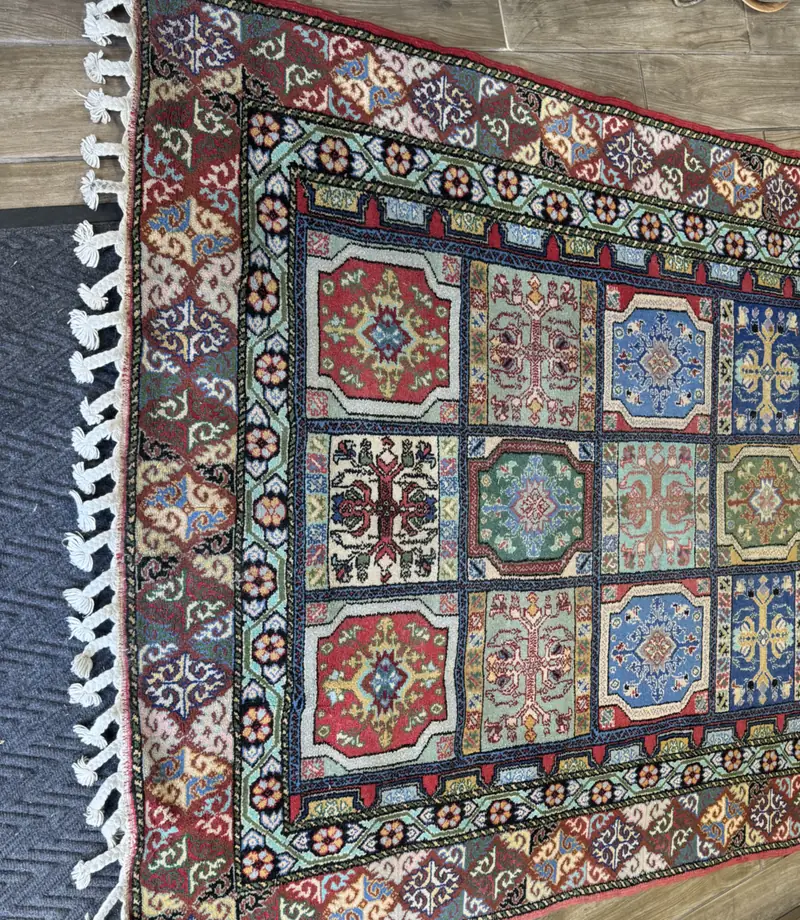
Time for a closer look?
- Decades of embedded dust
- Fragile or brittle fibers
- Color bleeding risk
- Moth or insect residue
- Musty storage odor
- Surface grime obscuring pattern
Let's care for
something remarkable.
A favorite piece. A family heirloom.
A room that feels like you again.