A clean home is not a single project but a set of small routines that compound. This piece is about those routines: the daily and weekly habits that keep a household genuinely clean, not just tidy-looking, and where rugs and their care fit into the rhythm. The broader case for cleanliness, from air quality to allergens, is made in how clean area rugs support a healthier home.
The Daily Ten Minutes
A few minutes a day prevents most of the deep-cleaning debt a home accumulates:
- High-touch surfaces: doorknobs, light switches, cabinet pulls, and counters take the most hands and carry the most microbes. A wipe-down with an appropriate cleaner once a day cuts the family's exposure to whatever is going around.
- Entry control: a doormat at every door, and the habit of shoes off indoors, keeps most of the grit outside instead of distributing it through the house.
- Spills now, not later: a spill blotted while fresh is a two-minute job; the same spill after a day has bonded with the fiber or finished floor.
- Kitchen reset: counters cleared and the sink emptied before bed keeps the kitchen from becoming the room that always smells like yesterday.
None of these are glamorous, and that is the point. The daily routine is made of unremarkable jobs that stop small problems from becoming structural ones.
The Weekly Round
Once a week, the jobs that keep the deeper dirt from settling:
- Floors: vacuum carpet and rugs, sweep and mop hard floors. A vacuum pass over rugs in both directions lifts more than a single pass along the pile.
- Bathrooms: the weekly clean keeps soap film and mildew from establishing, which turns a half-hour job into a five-minute one.
- Dusting: work top to bottom so what falls gets caught by the vacuum rather than resettleing on a clean surface.
- Bedding: wash sheets weekly; the bedroom collects skin cells and dust mite residue faster than any other room, and clean bedding is the simplest fix there is.
Focus, Sleep, and the Mind
The routines pay off in ways that have nothing to do with hygiene. A cleared surface lets a mind settle; a room in order makes the next task feel startable instead of overwhelming. People who work from home notice it first: the state of the desk is the state of the work. The same mechanism runs in reverse at night. A bedroom that is dusted, aired, and uncluttered sets up better sleep, and better sleep sets up the next day's focus. The house and the head keep each other in shape.
Where Rugs Fit in the Rhythm
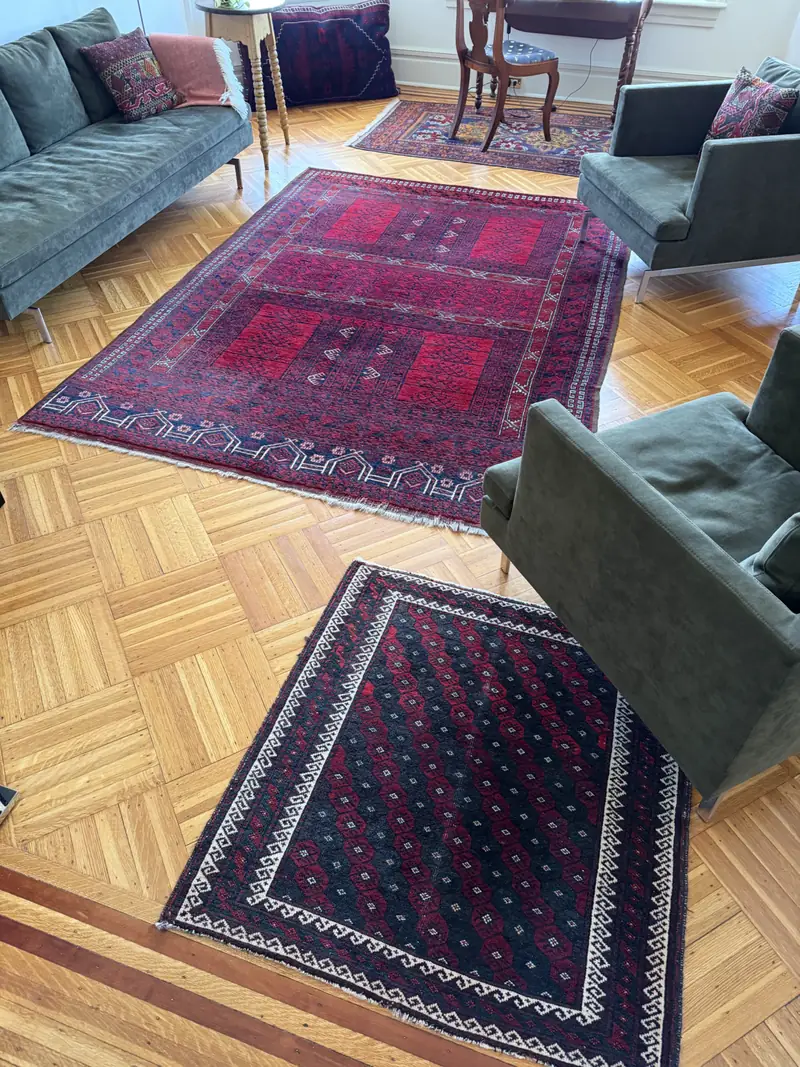
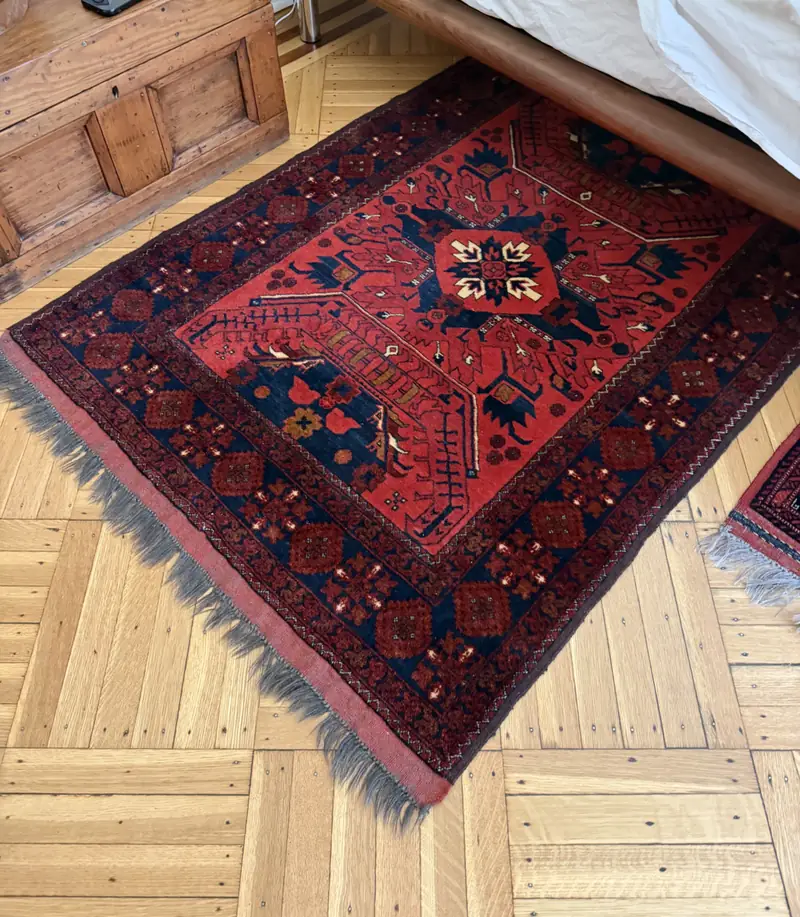
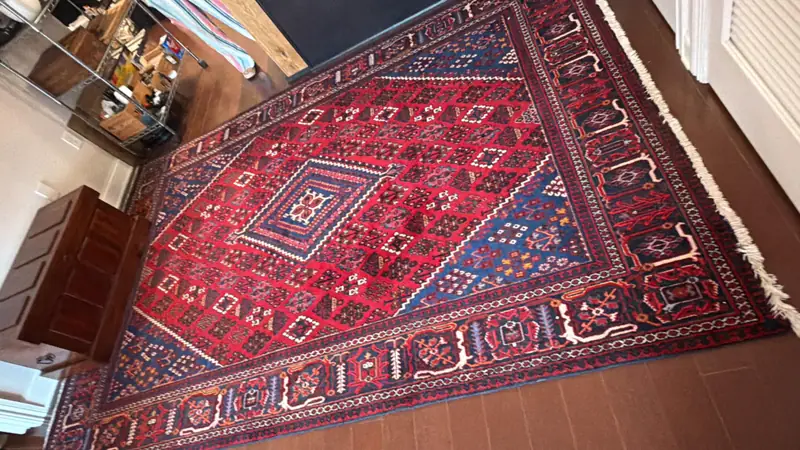
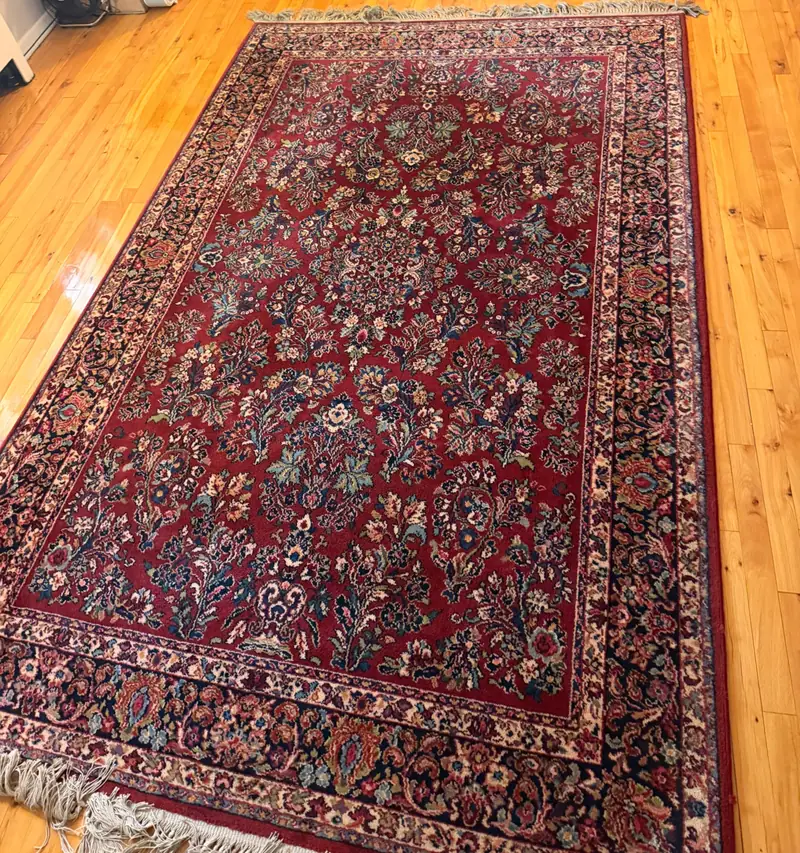
Rugs are the largest fabric surfaces in most rooms, and they follow the same logic as everything above: small, regular attention instead of rare heroic effort.
- Vacuum rugs weekly, more for a busy hallway; go with the pile, and skip the beater bar on wool and anything hand-knotted.
- Rotate twice a year so the traffic lane, the window light, and the furniture legs all take their turn.
- Blot spills immediately with a white towel; rubbing spreads the mark and roughens the pile.
- Take small rugs outside for a shake now and then; it removes what the vacuum's airflow cannot reach.
The routine covers surface soil. What it cannot reach is the grit that sinks to the base of the pile and grinds there with every footstep, which is why even a well-kept rug needs professional washing on a rhythm, roughly every one to three years by traffic. For delicate pieces the interval matters more, and Persian rug care has its own rules that home methods cannot safely imitate.
When the Routine Needs Reinforcement
The habits above keep a home ahead of its dirt. What they do not do is wash a rug, and a rug that has gone years between washes will not vacuum its way back. That is the natural division: the household handles the daily and the weekly, and the professional wash handles the depth. Keeping both halves running is what a clean home actually is, and the payoff compounds quietly: easier mornings, better sleep, floors that age slowly, and a home that feels like a reset rather than a to-do list.