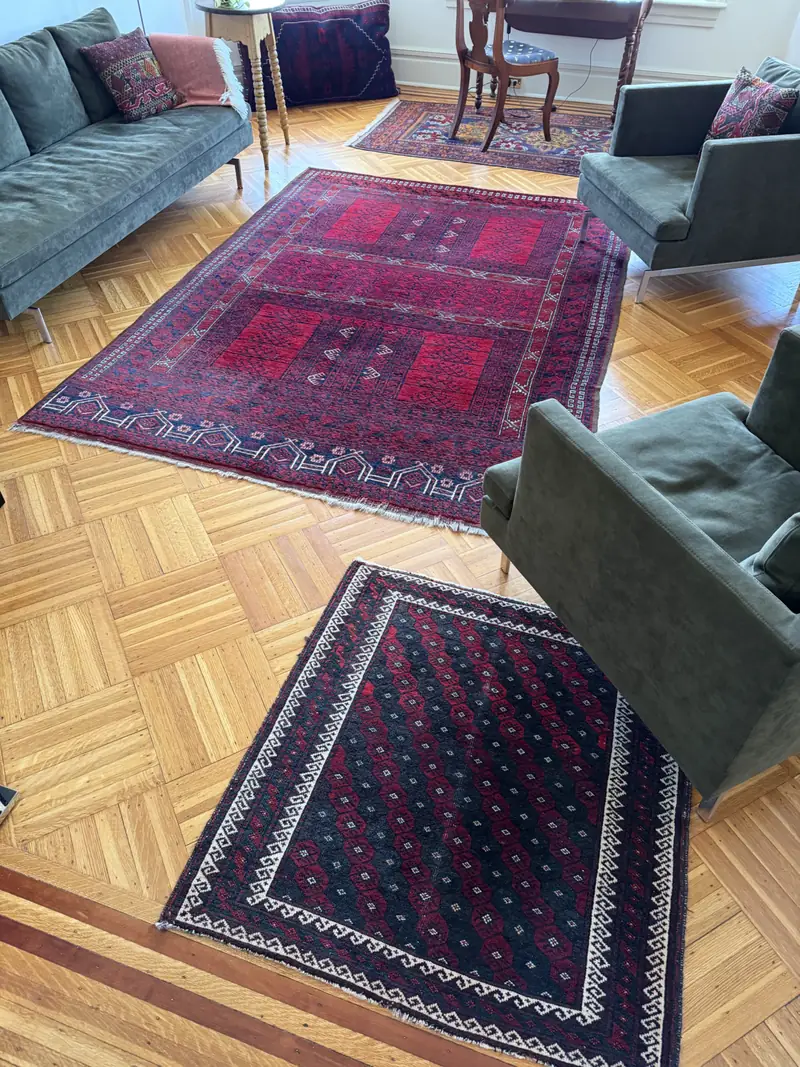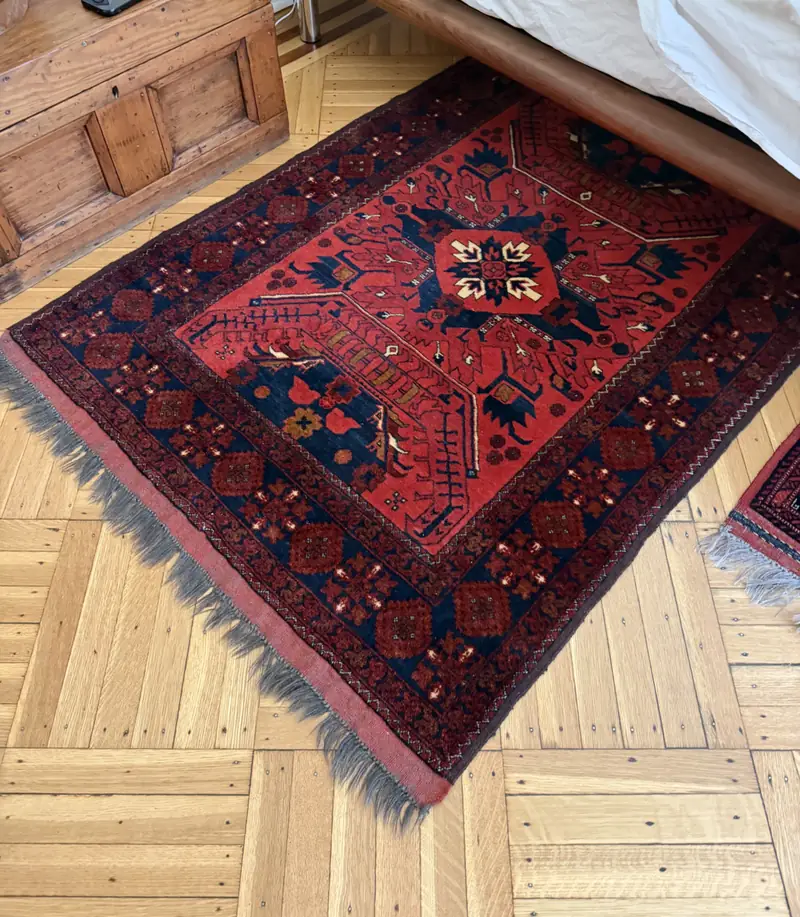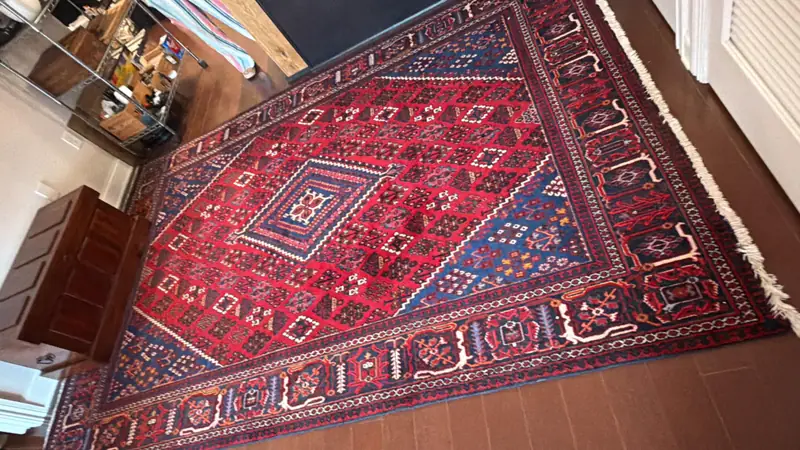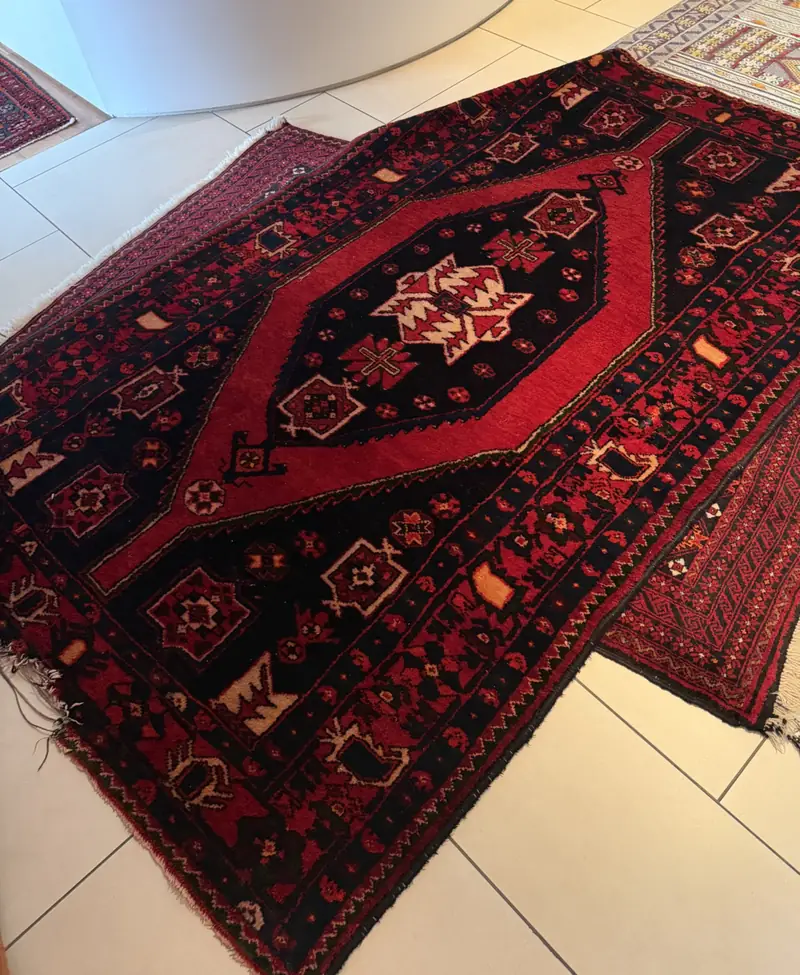
Caring for Chinese, Indian and Pakistani Oriental rugs starts with knowing what each tends to be made of. Chinese rugs often have a thick, sculpted wool pile and light open fields that show soil. Indian production ranges from fine hand-knotted wool to hand-tufted rugs with a latex back and viscose pieces sold as silk. Pakistani rugs are commonly fine wool with a soft sheen from a finishing wash. Each needs slightly different handling at home and in a full cleaning.
Chinese rugs: deep pile and carved outlines
Chinese rugs are hand knotted on a cotton foundation, usually with the asymmetrical knot and a wool pile. Antique pieces from areas such as Ningxia and Baotou are fairly coarsely knotted, with a lot of blue in many designs. Many twentieth century and modern Chinese rugs have a thick pile and a carved finish, where the pile is clipped shorter along the outlines of motifs so the design stands out in relief. Some export rugs were also chemically washed when new to give them a high sheen.
What that means for care:
- Deep pile holds a lot of grit near the base. Vacuum slowly and in both directions with the pile, using suction rather than a beater bar.
- The carved grooves collect dust. A soft brush run along the outlines before vacuuming lifts what the vacuum misses.
- Light grounds such as ivory, beige and pale gold show traffic lanes early. Rotating the rug spreads wear before a lane sets in.
- A rug that was chemically washed when new can have weaker wool at the tips, so it is cleaned gently and never scrubbed.
Indian rugs: one label, many kinds of rug
India produces a huge range of rugs, and the word Indian alone says little about construction. Workshops in areas such as Agra, Jaipur and the Bhadohi region make hand-knotted rugs, often copying classical Persian designs, along with flatweaves, hand-tufted rugs and pieces in viscose. Agra rugs, for example, are traditionally hand knotted with the asymmetrical knot and often follow older Persian patterns.
Before any cleaning, check which kind you have:
- Hand knotted: the design shows clearly on the back and the fringe is the warp itself. These clean much like Persian rugs of similar materials.
- Hand tufted: the back is covered with cloth glued on with latex, and the fringe is often sewn on. Latex weakens with age and too much water, so tufted rugs need limited moisture and quick drying.
- Viscose or bamboo silk: shiny, slippery and soft. Viscose loses much of its strength when wet, can yellow and turns harsh if scrubbed. Spills should be blotted, never rubbed.
- Flatweave: no pile, thin and reversible. Flatweaves can shrink or draw out of shape if they dry unevenly.
Pakistani rugs: Bokhara patterns and a soft sheen
Pakistan's hand-knotted rugs are often woven around Lahore, and many follow Turkmen designs with repeating gul medallions, sold under the name Bokhara, while others copy Persian city designs. They are usually wool pile on a cotton foundation, often tied with the asymmetrical knot, and many are given a luster wash at the end of weaving to soften the wool and add shine.
That finish shapes the care:
- The sheen comes partly from the finishing wash, and harsh or alkaline cleaners can dull it. Plain cool water and blotting are the safest first response to a spill.
- Deep reds are the signature color of many Bokhara-style rugs, so any spot cleaning should start with a test on a hidden area to make sure the red does not move into neighboring white or ivory.
- The short, dense pile resists crushing, but grit still works down to the base. Turning the rug over now and then and vacuuming the back loosens it.
Where each origin tends to show wear first
Knowing where trouble usually starts tells you where to look between cleanings. On Chinese rugs with a carved pile, the grooves along the motifs and the pale field around them are the first places soil shows, and a traffic lane in an ivory ground is hard to miss. On Indian hand-tufted rugs, the first warning is often a powdery dust under the rug or tufts that pull out easily, both signs that the latex behind them is breaking down. On Indian viscose pieces, the pile crushes and mats along walking paths and turns dull where feet land most. On Pakistani rugs, the ends and the corners tend to show wear first, along with a slight loss of sheen where shoes pass most often.
Habits that suit all three
Some care applies whatever the origin:
- Vacuum regularly with suction only and keep the vacuum off the fringe.
- Rotate the rug end for end every so often to spread foot traffic and light.
- Use a good pad to stop slipping and reduce wear.
- Blot spills right away with a white cloth and cool water, working from the outside in.
- Keep heavy furniture off one spot for long stretches, and check underneath for moths in wool rugs.
- Never use steam machines, bleach or strong household carpet cleaners on hand-knotted or viscose rugs.
Questions to settle before a full wash
When a rug from any of these origins is due for a deeper cleaning, a few facts decide the method: hand knotted, tufted or flatwoven; wool, silk or viscose; stable dyes or colors that move; and any past repairs or weak areas. Oriental rug cleaning begins by answering those questions for the specific rug, because two rugs with the same origin can be built in completely different ways. For hand-knotted wool from any of these countries, wool rug cleaning with temperature-controlled water and wool-safe agents is usually the starting point once the assessment is done.