
Wool Rug Cleaning
in Greenwich Village
Expert care for wool and wool-blend rugs, maintaining natural lanolin and preventing shrinkage.
Arrange a pickup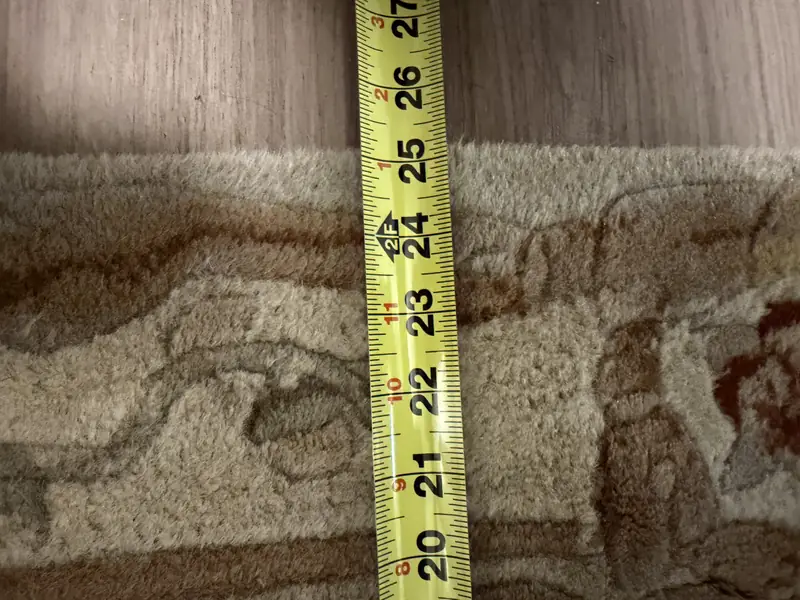 PHOTOGRAPHED BY OUR TEAM
Care begins with
understanding.
Wool is prized for its resilience, warmth, and natural soil resistance. However, improper cleaning can strip lanolin, cause shrinkage, or distort the pile. Our wool rug cleaning process respects the fiber's natural properties, using temperature-controlled water and wool-safe solutions to deep clean without damage. The result is a thoroughly cleaned rug with revived texture, restored softness, and strong color.
We discuss the condition, recommended treatment and expected outcome with you. The appropriate method is selected after inspection; not every treatment is suitable for every rug.
Wool Rug Cleaning in Greenwich Village
Wool forgives a great deal and punishes a few particular things. Heat and the wrong solution are the main ones: hot water roughens the scales on the fiber, and a harsh wash strips the lanolin that helps wool shed soil, which is why the wash here runs warm with a mild solution and the rinse goes on until the water runs clear. Lanolin also buys you minutes at home. A spill sits on the surface briefly before it soaks in, so press a dry white towel straight down, take it away, and repeat with a clean part of the cloth; rubbing drives the spill deeper and roughens the pile. Grit is the slower damage. It settles at the base of the pile, and every step across the rug grinds the fibers against it, which is what wears the pile thin along the paths people walk. The immersion wash lifts that grit out, and that is why colors deepen after cleaning instead of looking duller; a mat at the apartment door takes a share of the street dirt before it ever reaches the rug. Wool is also what clothes moths feed on, and they work where a rug is left alone: beneath a sofa that never shifts, along the baseboard, behind a door. Turn those edges back once a month and look for bare patches, fine webbing or small grains that look like rice; if you find any, pick Moth treatment from the care list and say where the damage shows, because eaten pile does not grow back and a repair is priced with you before any work begins. In co-op buildings, which hold 27 percent of Greenwich Village homes, the office sometimes wants notice before large items leave; give it and add the details to the access notes. A wool rug that returns from the wash has its pile brushed back into its lay and dries flat, and if the rug has a wool warp along with wool pile, put that on the tag, since a wool foundation acts differently in water than a cotton one. Turning the rug end to end every couple of months moves the wear around instead of letting it repeat in one spot.
- 46%of homes in elevator buildings
- 58%built before 1940
- 11floors in the median home's building
A careful
consideration.
- 01Temperature-controlled immersion
- 02Wool-safe enzymatic cleaning
- 03Lanolin-preserving rinse
- 04Centrifugal water extraction
- 05Controlled warm-air drying
- 06Pile brushing and grooming
Time for a closer look?
- Matted or crushed pile
- Embedded grit and soil
- Pet hair accumulation
- Dull or faded appearance
- Mild to moderate stains
- Musty odor
Let's care for
something remarkable.
A favorite piece. A family heirloom.
A room that feels like you again.