
Handmade Rug Cleaning
in Forest Hills
Every handmade rug is unique. We assess each piece individually to honor the artisan's work.
Arrange a pickup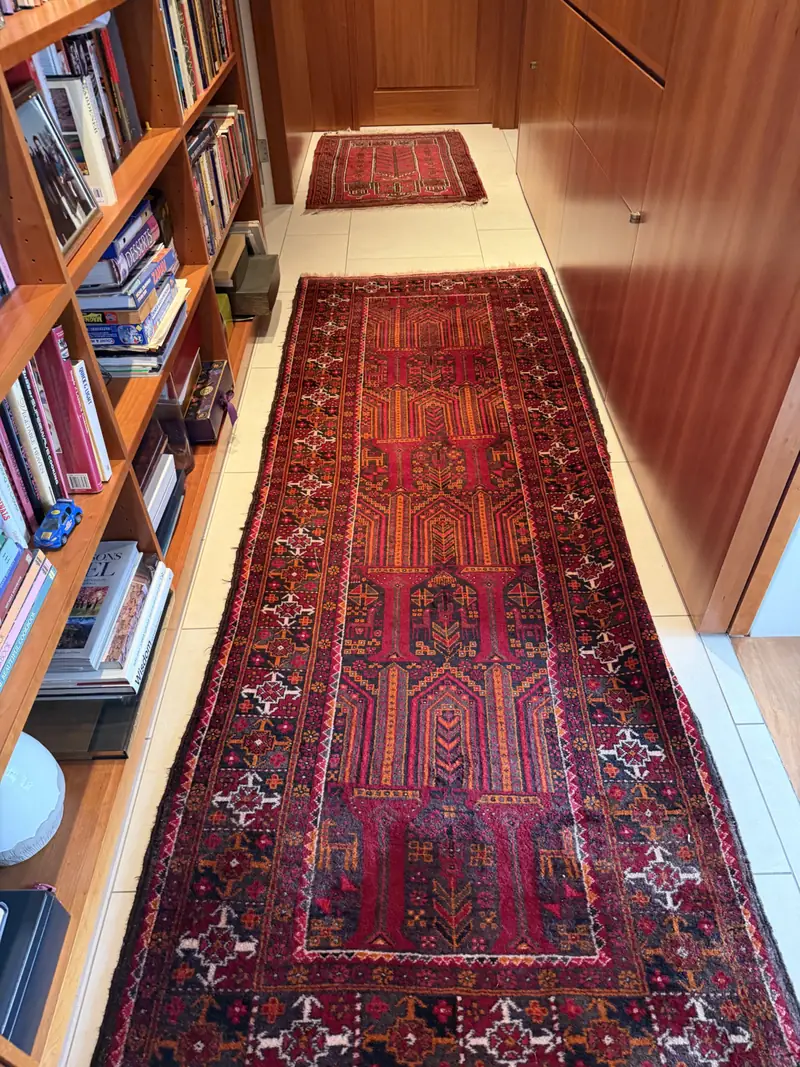 PHOTOGRAPHED BY OUR TEAM
Care begins with
understanding.
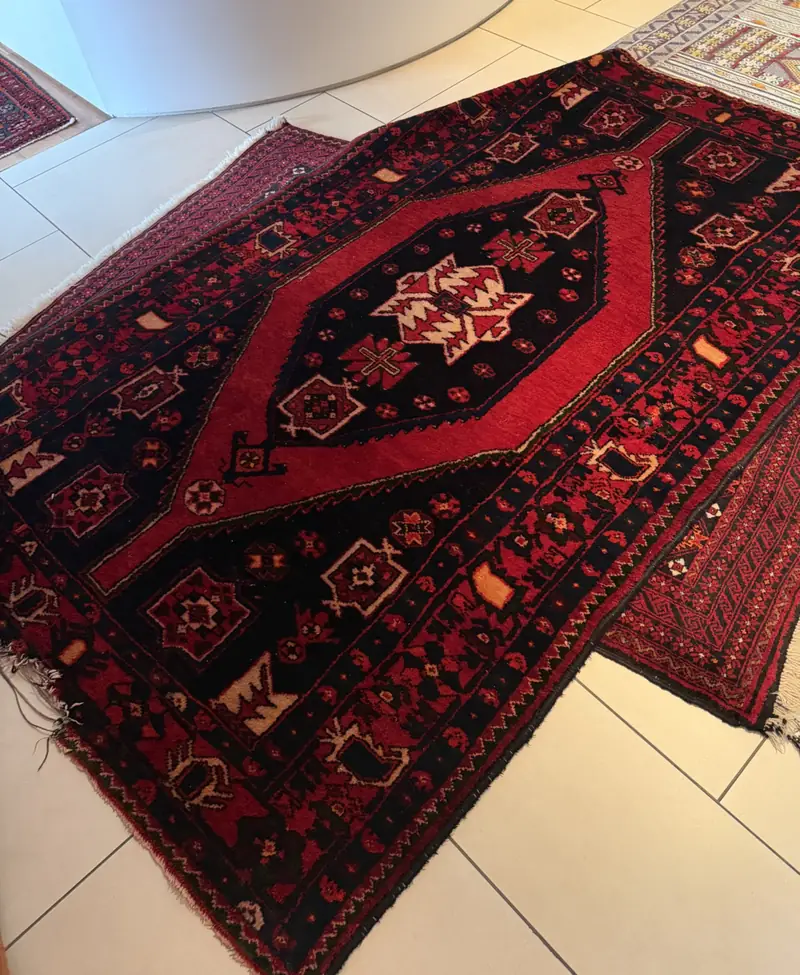
Handmade rugs, whether hand-knotted, hand-tufted, or flatwoven, represent a personal investment in craftsmanship. Each piece has unique characteristics that demand individualized attention. Our specialists examine the weave structure, fiber blend, and dye method of every handmade rug before designing a custom cleaning plan. This ensures the artisan's work is preserved while delivering a deep, revitalizing clean.
We discuss the condition, recommended treatment and expected outcome with you. The appropriate method is selected after inspection; not every treatment is suitable for every rug.
Handmade Rug Cleaning in Forest Hills
A kilim or a dhurrie can draw in at the edges or buckle when water reaches it and the drying is uneven, and a hand tufted rug hides a glued cloth backing that weakens when it stays wet. Turn the rug over before booking: a fine grid of knots means hand knotted, a back that matches the front means a flatweave, and a cloth backing means tufted. Write what you see on the pickup tag. Together, co-ops and condominiums account for 52 percent of local homes, and their house rules usually forbid shaking a rug from a window or a terrace, so a flatweave that needs more than a vacuum belongs in a full wash. Once the weave is known, the plan is written for that piece alone, because the word handmade covers several constructions that ask for different baths. A flatweave is washed flat with even pressure so its geometry stays square; a knotted rug takes gentle hand work that presses the water through the pile and out again without twisting the foundation; a tufted piece is cleaned with the least water that reaches the face yarns, since the glue behind the cloth has to stay firm. Stains are treated with agents chosen for the fiber first and the stain second, so a wool face gets nothing that would lift its dye and a cotton face gets nothing that would leave a ring. The drying is controlled and kept low, laid out flat with air moving over the whole surface, because uneven shrinkage is the one fault these pieces cannot be given back from. Before the rug is returned it goes through a final inspection by hand, over the face and then over the back, checking that the corners are square and the edges even. What the work changes is shape as much as color: a flatweave that had begun to ripple across a floor lies square again, a tufted rug keeps its pile without the musty smell a damp backing carries, and the knots of a knotted piece show their full pattern where soil had filled the valleys between them. Note on the pickup tag which rooms the rug has spent its years in, since a piece that has moved through a household for years often has an old spill or two that we should know about before any water is applied.
- 64%of homes in elevator buildings
- 22%built before 1940
- 6floors in the median home's building
A careful
consideration.
- 01Weave-specific assessment
- 02Custom cleaning plan per piece
- 03Hand-washing with gentle agitation
- 04Fiber-safe stain treatment
- 05Low-heat controlled drying
- 06Final hand inspection
Time for a closer look?
- Uneven soiling patterns
- Loose fibers or shedding
- Dye migration risk
- Surface stains
- Odor absorption
- General wear patterns
Let's care for
something remarkable.
A favorite piece. A family heirloom.
A room that feels like you again.